Building on Brownfield Sites in Florida Is About to Change
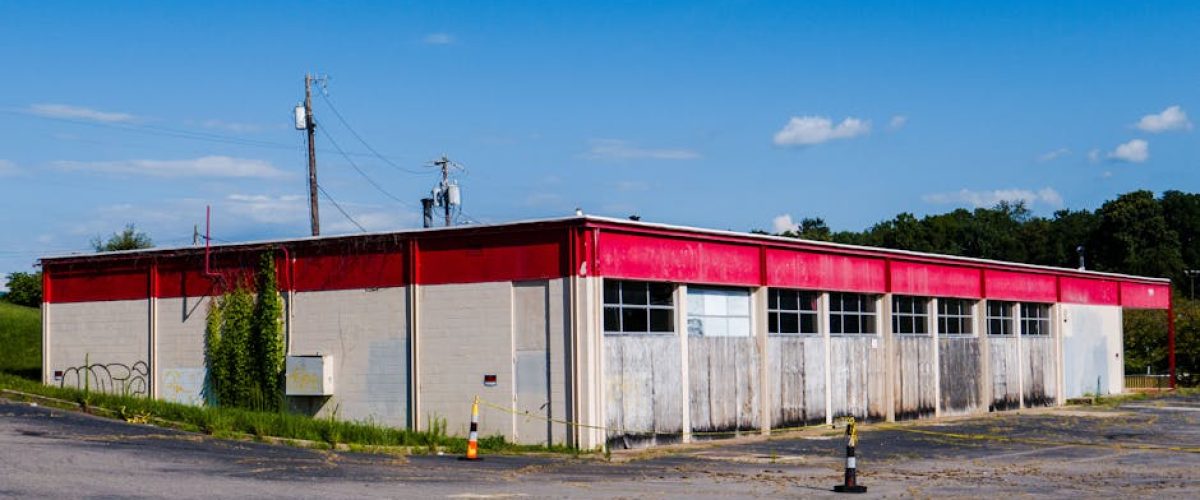
If you’re a developer or property owner eyeing a vacant or underused lot in Broward County, there’s a real chance that site has some environmental history. Former gas stations, dry cleaners, industrial yards, and even old retail strips — these parcels are classified as brownfields when contamination is suspected or confirmed. And brownfield development Florida construction projects have always come with extra layers of complexity.
Now, new state legislation is changing how these sites can be developed, who carries the liability, and what insurance coverage looks like. For anyone planning to build or renovate on formerly contaminated land in South Florida, understanding these shifts isn’t optional. It directly affects your timeline, your budget, and your exposure to legal risk.
This article breaks down what the new bill means in practical terms — and what to ask your contractor before you commit to a brownfield project.
What Is Brownfield Redevelopment, and Why Does It Matter Here?
A brownfield is any property where expansion, redevelopment, or reuse may be complicated by the presence — or potential presence — of hazardous substances or pollutants. Florida has thousands of them. Many sit in high-demand areas like Fort Lauderdale, Pompano Beach, and Dania Beach, where available land is tight and redevelopment pressure is constant.
Brownfield redevelopment Broward County projects are a big part of how communities revitalize aging commercial corridors and underused industrial parcels. Florida’s Brownfields Redevelopment Program has historically provided incentives — including tax credits, cleanup funding, and liability protections — to encourage developers to take on these sites.
The appeal is clear: buy undervalued land, clean it up, and build something the market wants. But the process is layered. Environmental assessments, remediation timelines, DEP oversight, and municipal permitting all stack on top of normal construction planning.
Common Brownfield Site Types in South Florida
- Former gas stations and auto repair shops
- Old dry cleaning facilities (solvent contamination)
- Decommissioned industrial or manufacturing lots
- Retired marina and boatyard properties
- Former agricultural land with pesticide residues
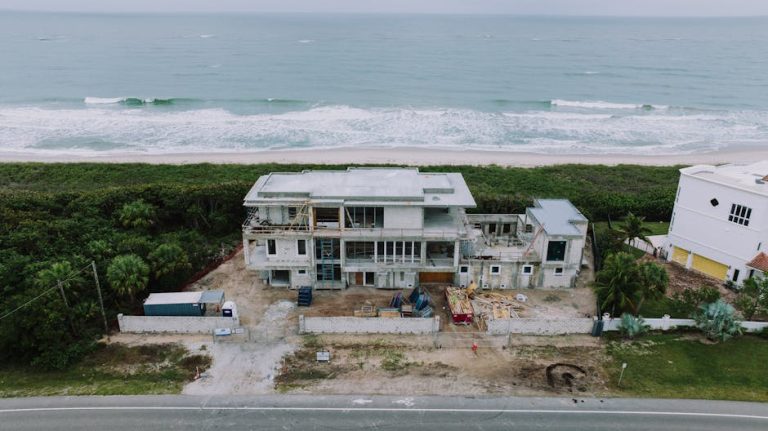
In areas like Hollywood and Dania Beach, waterfront brownfield parcels are especially common — and especially complicated because of South Florida’s high water table and flood zone requirements.
What the New Florida Brownfield Bill Changes
In early 2025, Florida legislators introduced a bill that adjusts how brownfield development Florida construction projects interact with insurance coverage and litigation rules. While the full regulatory picture is still developing, the key concerns center on a few practical areas.
Liability Protection Adjustments
Historically, developers who entered Florida’s Brownfields Program received a form of liability protection after completing cleanup. The new legislation may narrow or restructure those protections. That matters because it changes who’s on the hook if contamination issues resurface after construction is complete.
For contractors and developers, this means due diligence on environmental assessments is more important than ever. You can’t assume a cleanup certificate fully shields you.
Insurance and Coverage Implications
According to reporting from the Insurance Journal, the bill has raised concerns about how environmental liability coverage applies during and after brownfield redevelopment. In some cases, standard commercial general liability policies may not cover contamination-related claims — and specialized environmental policies could become more expensive or harder to secure.
This is where brownfield redevelopment Broward County projects get tricky. Developers who assumed existing coverage was sufficient may find gaps once the new rules take effect.
Litigation Rule Changes
The bill also addresses how contamination-related lawsuits can proceed. Changes to statute of limitations windows, responsible party identification, and burden-of-proof standards could all shift the legal landscape. For contractors, this creates a practical question: how much legal exposure comes with building on these sites, and how do you price that into a project?
How This Affects Brownfield Development Florida Construction Projects in Broward
South Florida’s building environment already adds layers that don’t exist in other markets. When you combine brownfield-specific requirements with local realities, the planning gets more complex fast.
Permitting and Environmental Review
Municipalities across Broward County — including Pompano Beach and Fort Lauderdale — coordinate with the Florida Department of Environmental Protection on brownfield projects. Permitting timelines often run longer than standard construction permits because environmental sign-offs must happen first. In some cases, remediation and construction can overlap, but that requires careful coordination with both the municipality and DEP.
Water Table and Flood Zone Realities
South Florida’s water table sits close to the surface. That’s a big deal on brownfield sites because contaminated soil and groundwater interact differently here than in drier climates. Excavation, dewatering, and foundation work on these parcels require environmental controls that add time and cost. If the site also falls in an AE or VE flood zone, elevation requirements and stormwater management add another layer.
Concrete Block Construction and Site Prep
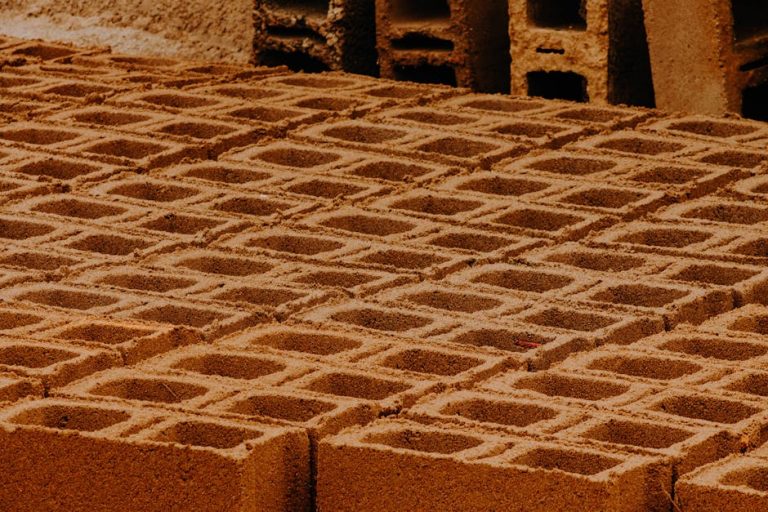
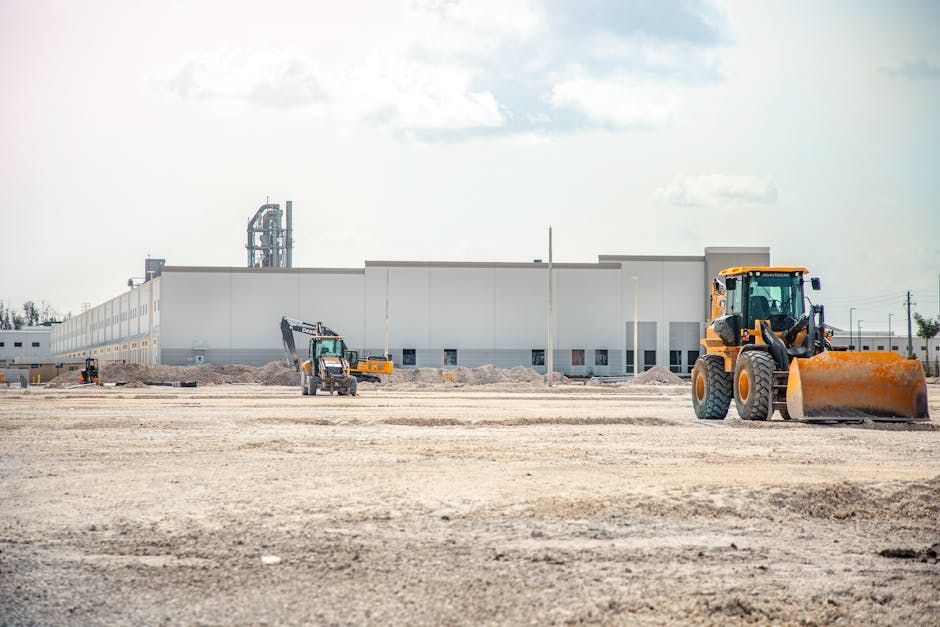
Most commercial and residential construction in Broward uses concrete block and poured concrete — not wood framing. On a brownfield site, the ground prep and slab work must account for any soil remediation that’s been done. Compaction testing, vapor barriers, and engineered fill may all be part of the scope. This is where homeowners and smaller developers usually underestimate the cost.
What to Ask Before Building on a Brownfield Site
Whether you’re a developer evaluating a parcel or a property owner considering a renovation on a site with environmental history, these are the questions that matter:
- Has a Phase I and Phase II Environmental Site Assessment been completed? A Phase I identifies potential contamination. A Phase II confirms it through testing. Both should be current — not five or ten years old.
- Is the site enrolled in Florida’s Brownfields Program? Enrollment provides structure, but as the new legislation shows, the protections may be evolving. Confirm what liability coverage enrollment actually provides under the current rules.
- What environmental insurance do you carry? Ask your contractor and your own insurance broker specifically about pollution liability coverage. Don’t assume your general policy covers it.
- How does remediation affect the construction schedule? Some sites can be built on during or after partial remediation. Others require full cleanup before any construction begins. Your contractor should be able to explain how this affects your timeline.
- Who is responsible if contamination is discovered mid-construction? This is one of the first things to confirm before signing a contract. Discovering unexpected contamination during excavation can halt a project — and the bill may change who bears that cost.
A licensed general contractor experienced in South Florida site conditions should be able to walk you through these questions clearly. If they can’t, that tells you something.
What Owners and Developers Often Miss
The biggest mistake we see is treating brownfield redevelopment like a normal construction project with a cleanup step bolted on. It’s not. The environmental, legal, and insurance dimensions affect every phase — from acquisition through certificate of occupancy.
Another common gap: assuming municipal incentives will offset the added costs. Tax credits and cleanup grants help, but they don’t eliminate the premium you’ll pay for environmental compliance, specialized subcontractors, and longer permitting timelines. Budget accordingly.
Finally, in the current environment, the rules are shifting. What applied to a brownfield project permitted two years ago may not apply to one permitted next quarter. Stay current, and make sure your contractor and attorney are too.
Planning a Brownfield Project in Broward County?
If you’re evaluating a brownfield site for construction or redevelopment in Broward County, the next step is talking through site conditions, permitting realities, and how the new legislation might affect your specific project. Oak Park Construction works with developers and property owners across Pompano Beach, Fort Lauderdale, Hollywood, and surrounding areas on complex site projects. Reach out to discuss your brownfield site scope and get a realistic assessment of what it’ll take to build.