Why Concrete Work in South Florida Isn’t Like Anywhere Else
If you’re searching for a concrete contractor South Florida homeowners can actually trust, you’ve probably already noticed the problem. There’s no shortage of people willing to pour concrete. The shortage is in people who understand what South Florida’s conditions do to concrete after it’s poured.
Between the high water table, expansive limerock soils, relentless UV exposure, and hurricane-driven wind and rain loads, concrete here faces more stress than in most parts of the country. A slab or driveway that would last decades in the Midwest can crack, heave, or erode within a few years down here — if the mix, the prep, or the reinforcement isn’t right for the environment.
This guide breaks down what you actually need to know: the types of residential and commercial concrete work available, what affects cost, what to verify before hiring, and why the cheapest quote in Broward County often becomes the most expensive mistake.
Types of Concrete Services for Homes and Businesses
Concrete isn’t one job — it’s a category. Understanding what you’re actually asking for helps you evaluate bids more clearly and avoid scope confusion.
Residential Concrete Work
- Driveways — The most visible concrete on your property. A concrete driveway in Broward County needs proper thickness (typically 4–6 inches), fiber or rebar reinforcement, and correct joint spacing to handle Florida’s thermal cycling.
- Patios and pool decks — These face constant moisture and sun. Finish selection (broom, stamped, exposed aggregate) matters for slip resistance and longevity.
- Walkways and porches — Often underbuilt. Even a simple front walkway should account for soil prep and drainage pitch.
- Slabs and foundations — Monolithic slabs are standard in South Florida residential construction. These must comply with Florida Building Code requirements for wind resistance and flood elevation.
Commercial Concrete Work
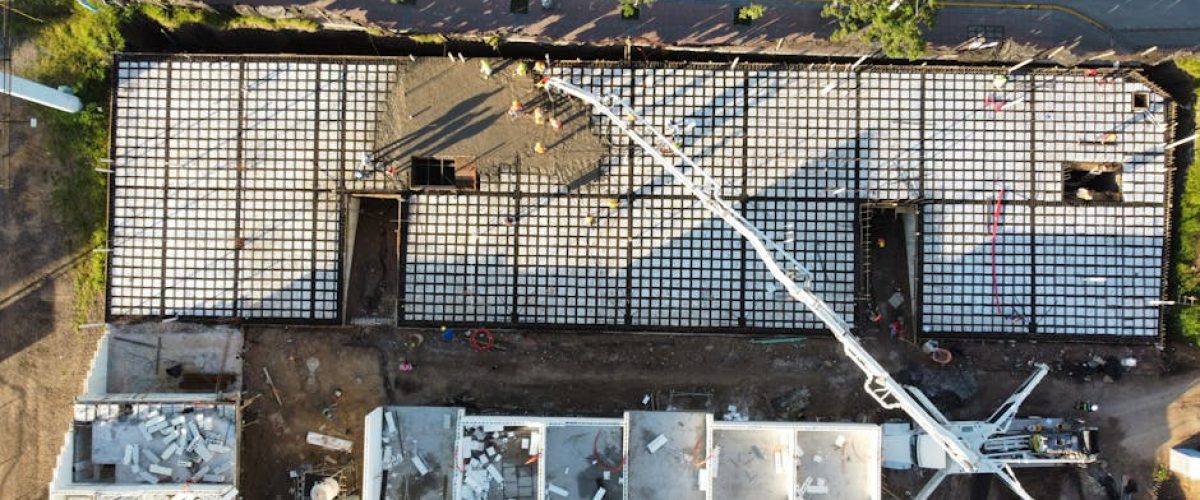
- Structural slabs — For retail build-outs, warehouse floors, and office spaces.
- Loading areas and parking pads — Heavier reinforcement and thicker pours to handle vehicle and equipment loads.
- Foundation systems for shell construction — Including footers, tie beams, and stem walls per engineered plans.
The key distinction: residential and commercial concrete often require different engineering, different code paths, and different inspection sequences. Your contractor should know which applies to your project before the first truck shows up.
What Makes Concrete Work Different in the Broward–Palm Beach Corridor
This is where generic contractor advice falls apart. South Florida’s environment changes almost every part of how concrete should be specified, placed, and cured.
Water Table and Soil Conditions
In areas like Pompano Beach, Fort Lauderdale, and Deerfield Beach, the water table can sit just a few feet below grade — sometimes less. That means moisture is constantly pushing up against the underside of any slab. Without proper vapor barriers and compacted fill, you get moisture migration, mold under flooring, and premature slab degradation.
Expansive limerock soils also shift. Proper subgrade preparation — removing organics, compacting fill to spec — prevents the cracking that homeowners often blame on the concrete itself when the real failure was underneath.
Hurricane Code and Wind Load Requirements
Florida Building Code requires specific reinforcement and anchorage details for concrete elements that tie into a structure’s wind-resistance path. This is especially true for foundations, tie beams, and any concrete supporting load-bearing walls. In the High-Velocity Hurricane Zone (HVHZ), which covers most of Broward County, inspections are more rigorous and the standards are stricter.
If your concrete contractor doesn’t pull permits or skips the required inspections, your structure may not meet code — and your insurance company will care about that later.
Heat, UV, and Curing Challenges
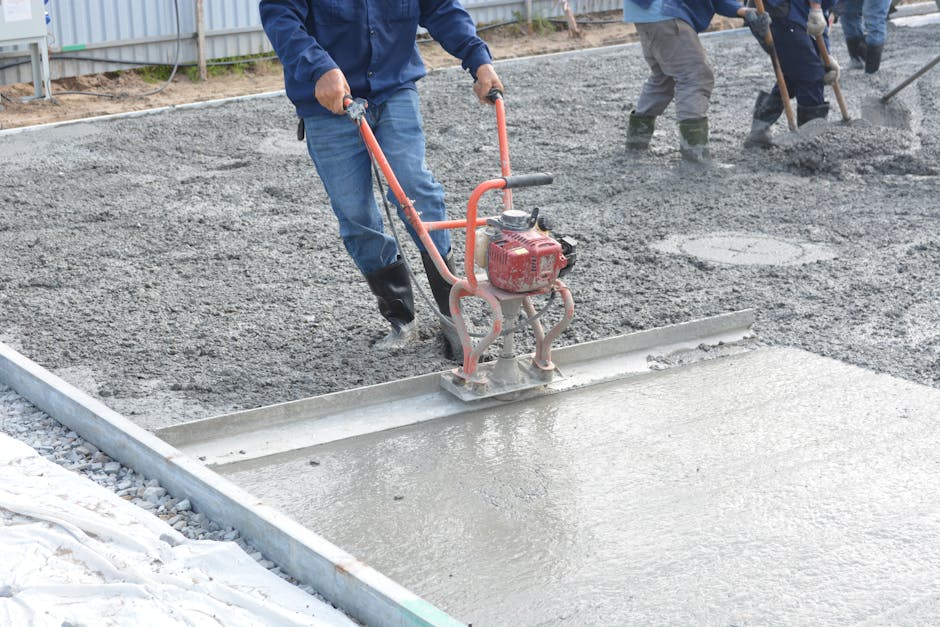
Concrete cures by hydration, not by drying. In South Florida’s heat, surface moisture evaporates too fast, which causes shrinkage cracking. A good concrete contractor South Florida crews know to pour early in the morning, use proper curing compounds, and avoid pours during peak afternoon heat when ambient temperatures push past 90°F.
This is one of the most common mistakes with budget pours. The mix might be fine. The crew might be fast. But if curing isn’t managed, you’ll see cracking within months.
How to Evaluate a Concrete Contractor South Florida Homeowners Can Trust
Concrete is one of those trades where bad work doesn’t always show up immediately. Here’s what to verify before you sign anything.
Licensing and Insurance
In Florida, concrete work that involves structural elements requires a licensed contractor. You can verify any contractor’s license through the Florida DBPR license search. Don’t assume a business card with a license number means the license is active and properly insured.
Scope Clarity in the Bid
This is one of the first things to confirm before signing a contract. A complete concrete bid should specify:
- Slab thickness and reinforcement type (fiber, rebar, wire mesh)
- Concrete PSI strength (3,000 PSI is common residential; 4,000+ for driveways and structural work)
- Subgrade preparation included or excluded
- Finish type (broom, stamped, sealed)
- Whether permits and inspections are included
- Demolition and haul-away of existing concrete (if applicable)
If a bid just says “pour new driveway — $X,” that’s not a scope. That’s a guess.
Ask About Their Curing Process
Most homeowners don’t think to ask this. But in South Florida, a contractor’s curing protocol tells you a lot about whether they understand the environment. Ask what time they plan to pour, whether they use curing compound or wet-cure methods, and how long they expect before you can drive on a new driveway. If the answer is vague, that’s a signal.
What Concrete Work Costs in Broward County
Pricing varies significantly based on scope, access, finish level, and whether demolition of existing concrete is involved. Here are realistic ranges for common residential projects in the Broward–Palm Beach area:
- Standard concrete driveway (Broward County): Many projects fall between $8–$15 per square foot, depending on thickness, finish, and whether old concrete needs removal.
- Patio or pool deck: Typically $10–$18 per square foot for stamped or decorative finishes. A basic broom finish costs less.
- Monolithic slab foundation: Costs move significantly depending on size, engineering requirements, and site conditions. A realistic starting point in South Florida is often $6–$10 per square foot for the slab alone.
The total shifts fast when you add demolition, grading, drainage corrections, or upgraded finishes. A stamped and sealed driveway in Hollywood or Weston will cost noticeably more than a basic broom-finish pour in a straightforward lot.
Always get itemized pricing. If you can’t see where the money is going, you can’t compare bids meaningfully.
What Homeowners Often Underestimate
Three things catch people off guard on almost every concrete project:
- Demolition costs. Removing an existing driveway or slab adds real cost — sometimes 20–30% of the total project. It requires equipment, labor, and dumpster haul-away.
- Drainage responsibility. New concrete changes how water moves across your property. If the pitch isn’t planned properly, you can send water toward your foundation, your neighbor’s lot, or a code violation.
- Permit requirements. Even a driveway replacement in some Broward municipalities requires a permit. Skipping that step can cause problems when you sell or insure the property.
These aren’t add-ons that shady contractors sneak in. They’re real scope items that should be addressed upfront by any concrete contractor South Florida property owners hire.
Get a Realistic Scope and Estimate for Your Concrete Project
If you’re planning a driveway, patio, slab, or foundation pour in Broward County or the surrounding area, the next step is getting clear on scope — not just price. Oak Park Construction handles residential and commercial concrete work across Pompano Beach, Fort Lauderdale, Deerfield Beach, and beyond. We’ll walk through your project, identify what your site actually needs, and give you a concrete driveway Broward County bid that’s itemized and specific.
If you’re trying to figure out what your concrete project should cost and who should do it, reach out for a straightforward scope review and estimate.