What Really Goes Into Concrete Porch Installation in South Florida
You’ve seen the finished product — a clean, flat slab with smooth edges and a broom finish. What you probably haven’t seen is the six to eight hours of prep, forming, reinforcement, and finishing that happen before anyone even starts pouring concrete.
If you’re planning a concrete porch installation in South Florida, this article walks you through the full process. We’ll cover what happens before, during, and after the pour — plus the local conditions that change how concrete work is done in Broward County compared to almost anywhere else in the country.
By the end, you’ll understand the timeline, the cost drivers, and exactly what to ask before hiring a concrete contractor Broward County homeowners can actually rely on.
How a Concrete Porch Gets Built — Step by Step
A residential concrete porch or slab isn’t a one-step job. Here’s the actual sequence most homeowners never see:
- Site prep and layout. The area is cleared, graded, and marked. If there’s existing sod, pavers, or old concrete, that has to come out first.
- Forming. Wooden or metal forms are set to define the shape, thickness, and elevation of the slab. This step determines whether your porch drains properly or pools water against your house.
- Base material. A compacted fill layer — usually crushed limestone or compacted sand — goes down to create a stable base. In South Florida, the water table and soil conditions make this step critical.
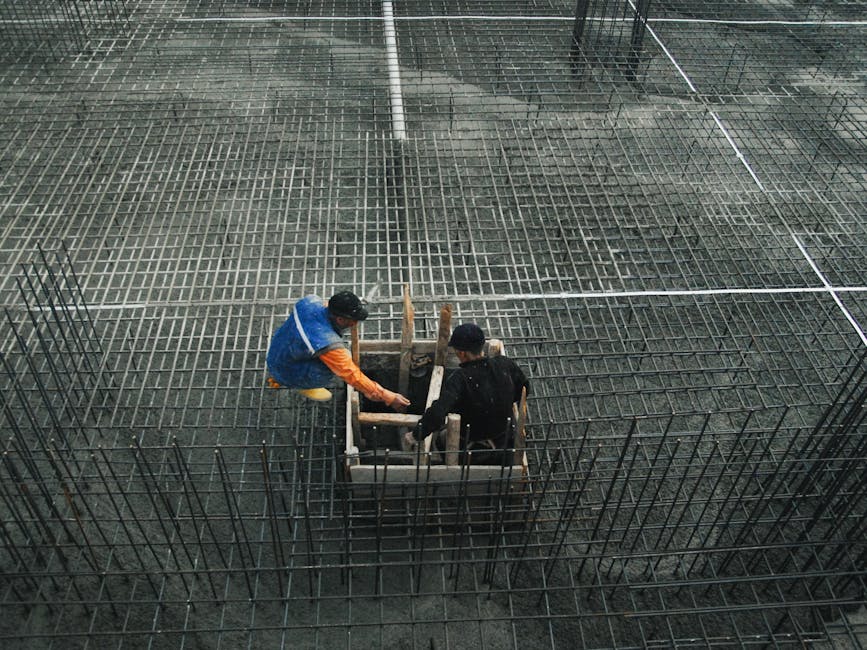
- Reinforcement. Rebar or fiber mesh is placed inside the forms. For porches attached to the home, doweling into the existing structure may be required.
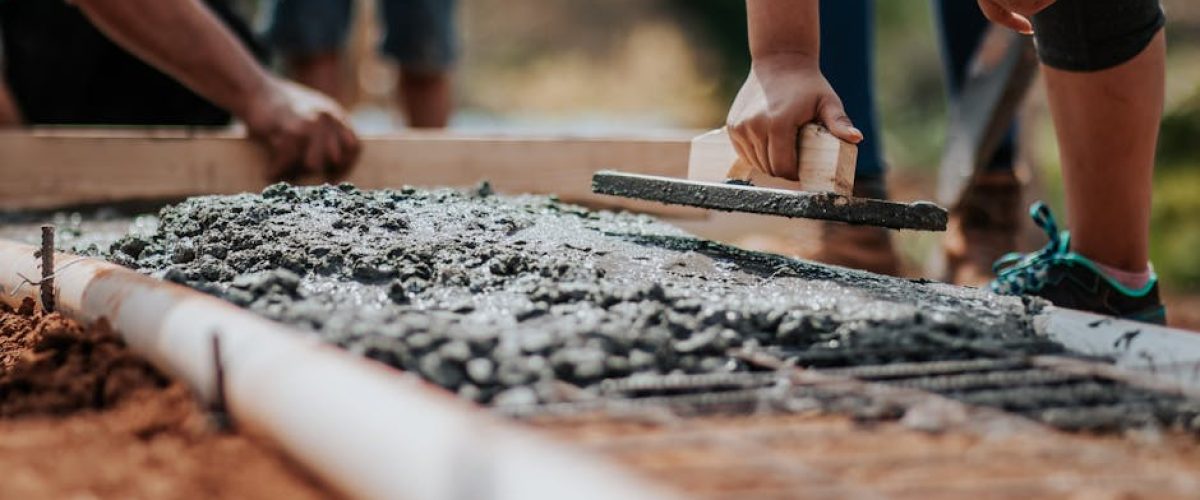
- Pouring. Concrete is delivered by truck and poured into the forms. The crew spreads, screeds, and levels it before the surface starts to set.
- Finishing. The surface is floated, edged, and given its final texture — typically a broom finish for slip resistance outdoors.
- Curing. The slab needs time to cure properly. In South Florida’s heat, this requires moisture management to prevent cracking.
A standard residential porch — say 400 to 600 square feet — typically takes one full day for the pour and finish. But forming, prep, and curing add time on both ends.
Why Concrete Porch Installation in South Florida Is Different
Concrete behaves differently in heat, humidity, and coastal environments. Here’s what changes when you’re pouring in Broward County instead of, say, the Midwest.
Heat and Cure Time
When it’s 90°F and humid, concrete sets faster than expected. That sounds like a good thing — but it’s not. Rapid surface drying causes shrinkage cracks if the crew doesn’t manage moisture during finishing. Experienced crews will often pour early in the morning or use curing compounds to control the process.
Water Table and Drainage
South Florida’s water table is high — sometimes just a few feet below the surface. That affects how the base is prepared and how the slab handles moisture over time. Poor drainage planning leads to standing water on the porch or, worse, water migrating under the slab and causing settlement.
In areas like Pompano Beach and Deerfield Beach, you’ll also encounter flood zone requirements from FEMA flood mapping that affect slab elevation and permitting.
Permitting in Broward County
Most concrete porch or slab projects in Broward County require a permit — especially if the work is attached to the structure, changes the footprint, or affects drainage. Permit requirements vary by municipality. Fort Lauderdale, Hollywood, and Pompano Beach each have their own building departments with slightly different review timelines. Your contractor should pull the permit and schedule inspections. If they suggest skipping that step, that’s a red flag.
Florida’s building code, managed through floridabuilding.org, also sets minimum standards for slab thickness, reinforcement, and setback distances that apply statewide.
What Affects the Cost of a Concrete Slab or Porch
Homeowners often start with a square-footage number in mind, but the final cost depends on much more than size. Here are the real drivers:
- Demolition and removal. If old concrete, pavers, or a deteriorated porch needs to come out first, that adds labor and haul-away costs.
- Access. Can a concrete truck get close to the pour site? If not, pumping concrete adds cost — sometimes significantly.
- Thickness and reinforcement. A standard 4-inch slab with fiber mesh costs less than a 6-inch rebar-reinforced slab designed for heavier loads.
- Finish type. Broom finish is standard. Stamped concrete, exposed aggregate, or colored concrete all increase the price.
- Elevation changes. If the porch needs to be raised, stepped, or tied into an existing structure at a specific height, forming becomes more complex.
- Drainage work. Adding French drains, swales, or regrading around the slab to manage water flow is common in South Florida — and it’s not always included in a basic quote.
In Broward County, a straightforward concrete porch installation often starts in the range of $8 to $15 per square foot for a basic broom-finish slab — but that number moves quickly once you add demolition, pumping, decorative finishes, or elevation work. Always get a written scope that breaks out what’s included.
What to Ask Before Hiring a Concrete Contractor in Broward County
This is where most homeowners either protect themselves or set themselves up for problems. Here’s what to verify:
Licensing and Insurance
In Florida, concrete work on a residential property generally requires a licensed contractor. Ask for their license number and verify it. Ask for a certificate of insurance — not just a verbal confirmation.
Scope and Exclusions
A good estimate should list exactly what’s included: demo, forming, base prep, reinforcement type, pour, finish, and curing. It should also list what’s not included. Drainage, landscaping repair, and permit fees are common exclusions that surprise homeowners after the job starts.
Timeline and Weather Contingency
Concrete pours can’t happen in the rain. In South Florida’s summer, afternoon storms are nearly daily. Ask your contractor how they handle weather delays and whether the quote accounts for rescheduling.
This is one of the first things to confirm before signing a contract — especially between June and October.
Crew Experience in Local Conditions
A crew that pours concrete in South Florida year-round knows how to manage heat, humidity, and fast-setting conditions. A crew that doesn’t may deliver a slab that cracks within the first year. You won’t always see the difference on day one — you’ll see it six months later.
What Homeowners Often Underestimate
Two things come up again and again:
Curing isn’t instant. Your slab will look finished the same day it’s poured. But concrete reaches full strength over 28 days. Walking on it too early or placing heavy furniture before it’s cured properly can damage the surface. Your contractor should give you clear instructions on when and how to use the new porch.
Drainage matters more than the slab itself. A perfectly poured slab with poor drainage will cause bigger problems than a basic slab with great drainage. In low-lying areas of Miramar, Hollywood, or Dania Beach, this is especially relevant. Water has to go somewhere — and your concrete contractor should have a plan for where.
Ready to Plan Your Concrete Porch?
If you’re trying to figure out the right approach for a concrete porch installation in South Florida, the next step is straightforward. Send us your measurements, photos, and a description of the area — and we’ll put together a realistic scope and timeline for your property. Oak Park Construction handles concrete porch and slab work across Broward County, from Pompano Beach to Fort Lauderdale to Hollywood. No guesswork, no generic estimates.
Request a free scope review from Oak Park Construction and get a clear picture of what your project actually involves.