Why DIY Concrete Slabs Often Fail in South Florida
Thinking about pouring your own concrete slab? In South Florida, this task is more complex than it appears. The region’s unique climate and soil conditions can turn a seemingly simple DIY project into a costly mistake. Understanding these factors is crucial to avoid a redo that could cost you thousands.
Understanding Concrete Slabs: The Basics
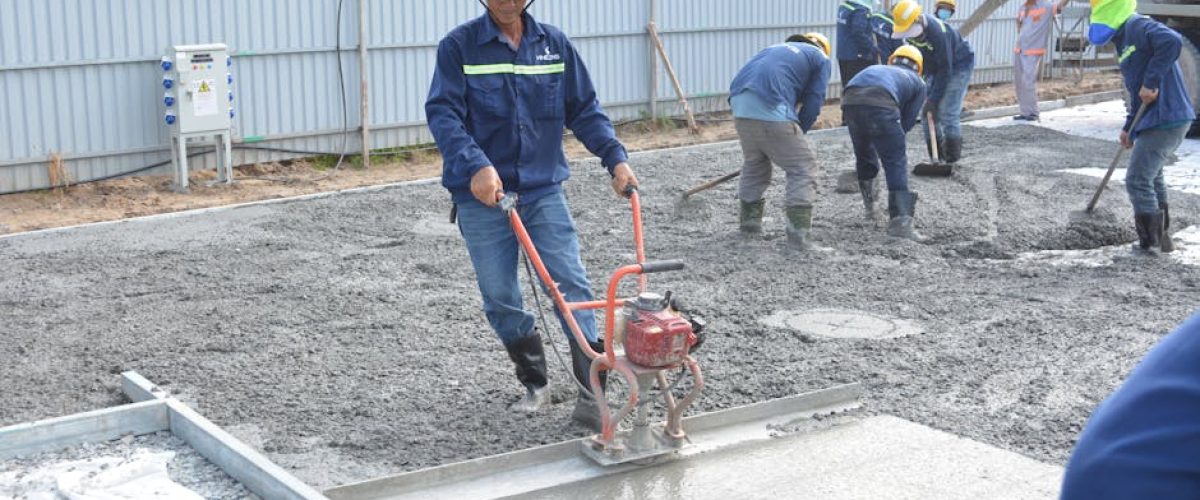
A concrete slab serves as the foundation for many structures, from patios to home additions. It involves mixing, pouring, and curing concrete to create a flat, stable surface. While DIY videos make it look straightforward, they often skip over critical steps like site preparation and reinforcement.
Key Components of a Concrete Slab
- Site Preparation: Proper grading and compaction are essential to prevent future settling.
- Reinforcement: Rebar or wire mesh is used to strengthen the slab and prevent cracking.
- Mixing and Pouring: The right concrete mix and pouring technique are vital for durability.
Factors Affecting Concrete Slabs in South Florida
South Florida’s climate presents unique challenges for concrete work. High humidity and frequent rain can affect the curing process, while the sandy soil requires specific preparation techniques. Additionally, local building codes and hurricane standards must be met, which often necessitates professional expertise.
Local Considerations
- Permitting: In Broward County, permits are required for most concrete projects. Ensure your contractor handles this.
- Hurricane Standards: Slabs must withstand high winds and potential flooding, requiring specific construction methods.
- Soil Conditions: Sandy soil in areas like Pompano Beach and Fort Lauderdale demands proper compaction and drainage solutions.
When to Hire a Professional Concrete Slab Contractor
Hiring a licensed contractor is often the best choice for concrete slabs in South Florida. Professionals bring expertise in local codes, site preparation, and material selection, ensuring a durable and compliant slab. Before hiring, verify the contractor’s license and experience with similar projects.
Common Mistakes to Avoid
- Skipping Permits: This can lead to fines and forced removal of the slab.
- Improper Reinforcement: Leads to cracking and structural issues.
- Poor Site Preparation: Causes uneven settling and water pooling.
What Homeowners Often Miss
Many homeowners underestimate the importance of local climate and soil conditions. In South Florida, these factors significantly impact the longevity of a concrete slab. Additionally, the cost of correcting mistakes often exceeds the initial savings of a DIY approach.
If you’re trying to figure out the best approach for your concrete slab project, the next step is to contact us for a consultation. Our team can help ensure your project meets all local requirements and stands the test of time.