When the Bank Says No, the Project Doesn’t Have to Stop
You found the lot. You have plans drawn. Your contractor is ready. Then the bank takes eight weeks to underwrite a construction loan — and declines it anyway. This is one of the most common stalls in new residential construction across Broward County right now.
Construction financing South Florida has shifted. Traditional lenders have tightened requirements, raised reserve thresholds, and slowed timelines. Meanwhile, the demand for housing — especially in Fort Lauderdale, Pompano Beach, and Hollywood — hasn’t cooled at all. The result? A growing number of investors and homeowner-builders are turning to private lending and alternative capital to get projects off the ground.
This article breaks down how private construction lending actually works, when it makes sense over conventional financing, and how to align your lender and contractor so the project runs smoothly from permit to CO.
What Private Construction Lending Actually Means
Private lending — sometimes called hard money lending — is short-term, asset-backed financing provided by individuals or private capital firms instead of banks. In residential construction, these loans are typically secured by the property or the lot itself.
Unlike a conventional construction-to-permanent loan, a private lender moves fast. Approvals can happen in days rather than months. But the tradeoff is real: interest rates are higher, terms are shorter (usually 12–24 months), and the lender expects a clear plan with defined scope and timeline.
For investors building spec homes, renovating distressed properties, or adding square footage to flip, private lending can eliminate the bottleneck that kills deals. For owner-occupants, it’s less common — but still viable in certain situations, especially when banks won’t lend on unconventional projects.
How Draw Schedules Work With a Private Lender
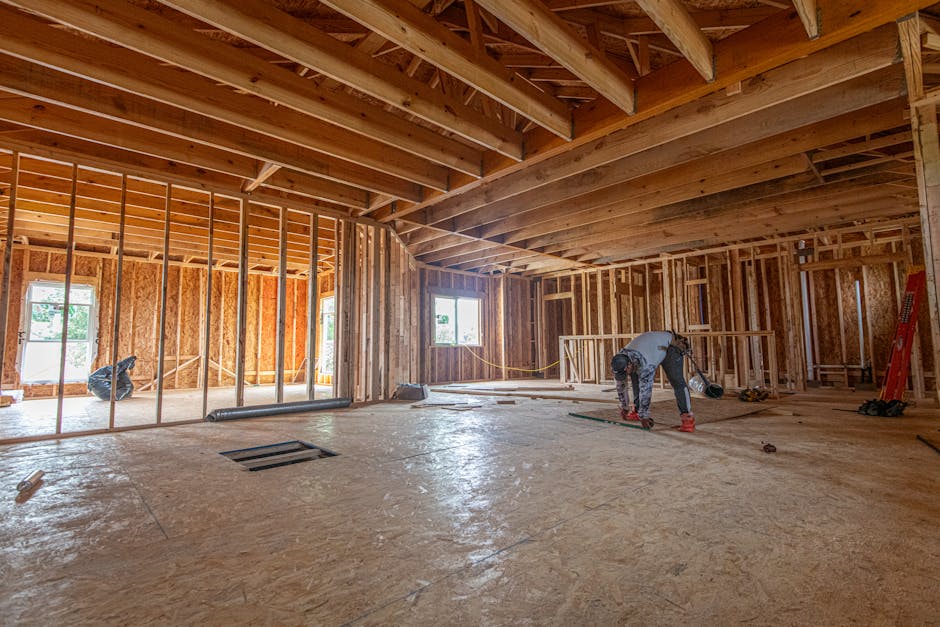
Most private construction loans fund in phases called draws. The lender releases money at key milestones — foundation, framing, dry-in, rough mechanicals, finish. Each draw usually requires an inspection or progress verification.
This is where your contractor relationship matters enormously. If your builder doesn’t understand draw schedules, the project stalls between phases. At Oak Park Construction, we work directly with lenders and investors on draw documentation, progress photos, and inspection coordination. It’s not optional — it’s how the money flows.
Why Construction Financing South Florida Looks Different Right Now
Several forces are reshaping how projects get funded in Broward County and surrounding areas:
- Insurance costs are rising. Builders risk policies and property insurance have spiked across South Florida, and lenders factor this into their underwriting. A project in a flood zone near Dania Beach faces different insurance math than one in Parkland — and lenders know it.
- Material and labor costs remain elevated. Concrete, impact windows, and roofing materials in South Florida carry a premium. Lenders want to see realistic budgets, not lowball estimates that fall apart mid-build.
- Permitting timelines vary by municipality. A new construction permit in Pompano Beach may move at a different pace than one in Fort Lauderdale. Private lenders want to know your timeline accounts for this.
- Traditional banks are cautious on spec builds. If you’re building without a buyer under contract, most conventional lenders won’t touch the deal. Private capital fills this gap — but only if the numbers work.
According to a recent report from Faundare Capital, private lending is playing a growing role in addressing housing supply challenges nationally — and the trend is especially visible in high-demand, supply-constrained markets like South Florida.
When Private Lending Makes Sense — and When It Doesn’t
It Often Makes Sense When:
- You’re an investor building or renovating to sell within 12–18 months
- A conventional lender declined due to property condition, zoning, or lack of buyer contract
- You need to close on a lot quickly to lock in a deal
- You have equity or cash reserves but need bridge capital for construction
- Your project involves a full gut renovation where traditional appraisals don’t support the loan
It Usually Doesn’t Make Sense When:
- You’re an owner-occupant with strong credit and a patient timeline — a conventional construction loan will save you significantly on interest
- The project margins are thin — private lending rates (often 10–14% annually, plus points) can eat into profit fast
- You don’t have a licensed contractor with a clear scope and schedule — no serious private lender will fund a vague plan
The biggest mistake investors make with construction financing South Florida? Underestimating the total cost of capital. A 12% interest rate on a 12-month loan with 2 origination points changes your profit math significantly. Run those numbers before you commit.
How to Align Your Contractor and Lender for a Smooth Build
This is where most projects succeed or fail — not in the financing itself, but in how well the contractor and lender communicate. Here’s what to get right:
1. Your contractor should provide a detailed scope and line-item budget before you approach a lender. Private lenders underwrite the project, not just the borrower. A vague proposal kills deals.
2. Draw schedules need to match actual construction phases. If your lender releases framing funds but your contractor hasn’t passed the slab inspection yet, you’re stuck. Make sure both sides agree on milestones.
3. Confirm your contractor is licensed, insured, and permitted. Private lenders in Florida will verify this. You can check contractor licensing through the Florida DBPR license portal. If your builder can’t produce a license number, walk away — regardless of how the financing is structured.
4. Build in contingency. Most experienced lenders and contractors will tell you: budget 10–15% contingency on any new construction or major renovation in Broward County. South Florida permitting, weather delays, and inspection requirements make this non-negotiable.
At Oak Park Construction, we’ve worked alongside private lenders on projects from shell builds to full home renovations. We understand draw documentation, lender inspections, and the reporting that keeps funds moving on schedule. That coordination is part of what we do — not an afterthought.
What Investors Often Underestimate
Permit and impact fee costs. Depending on the municipality and scope, permit fees, impact fees, and utility connection costs in Broward County can add thousands to a project before a single block is laid. These need to be in your lender package.
Insurance timing. Builders risk insurance needs to be in place before the first draw. Delays here delay funding. In South Florida’s current insurance climate, securing this coverage takes longer than it used to.
The exit strategy matters as much as the entry. Private lenders want to know how you’re paying them back. If you’re building to sell, your ARV (after-repair value) needs to support the sale. If you’re refinancing into a conventional mortgage, your lender needs to see that path clearly. Construction financing South Florida is a means to an end — not a long-term hold strategy.
Ready to Build? Let’s Talk Scope Before You Talk to a Lender
If you’re trying to figure out how to fund a new build or major renovation in Broward County, the smartest move is getting a real scope and budget from a licensed contractor first. That document is what private lenders underwrite — and it’s what keeps your project on track once funding starts.
Whether you’re building from the ground up in Pompano Beach, renovating a duplex in Hollywood, or planning an addition in Deerfield Beach — Oak Park Construction can provide the detailed project scope your lender needs to move forward. Reach out to start that conversation.