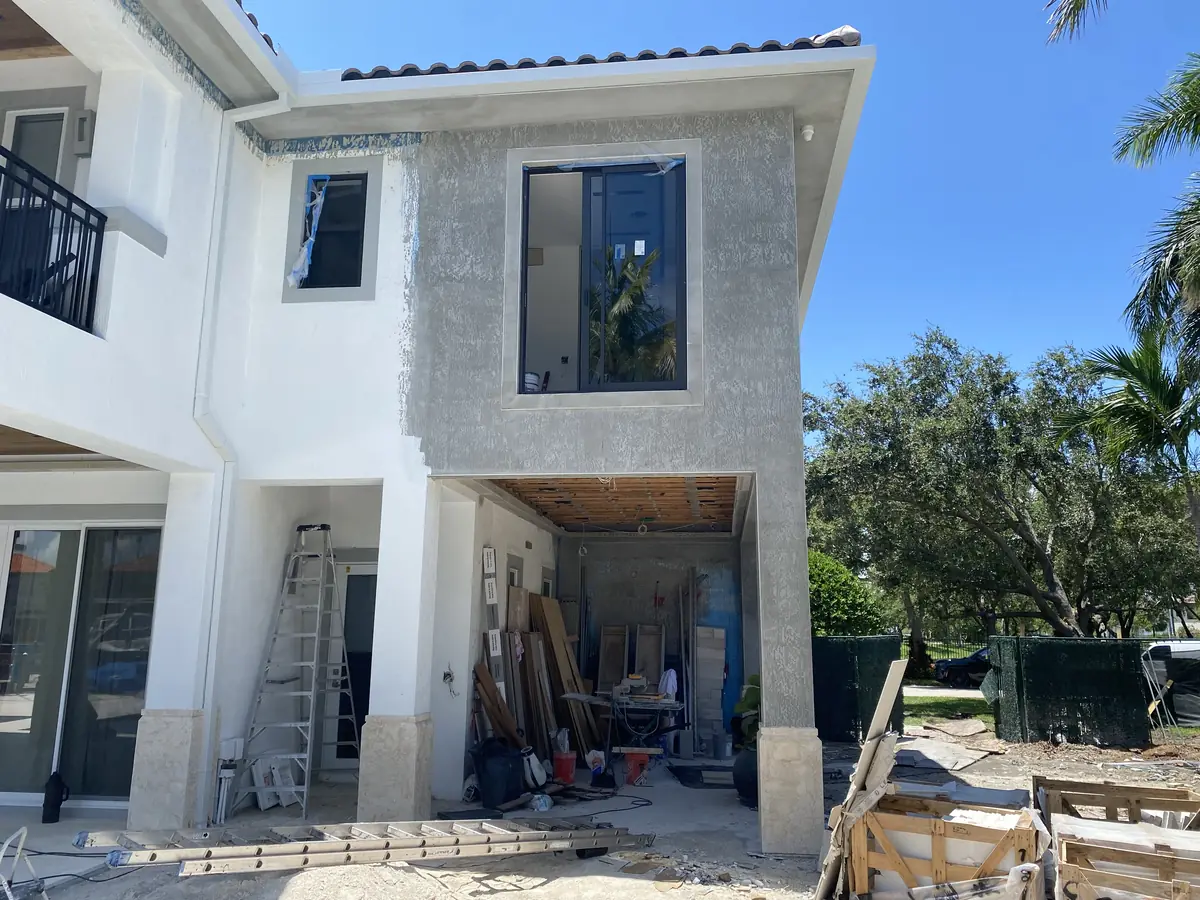
If you are planning to add space to an existing Fort Lauderdale home, OPC recommends putting the elevation certificate on your early permit-planning checklist. The City names additions among the projects that require one and says the completed certificate is submitted to its Floodplain Manager as part of the building permit process. That requirement does not, by itself, tell you whether a proposed addition meets every floodplain design rule for your address.
The certificate requirement applies to additions
Fort Lauderdale requires an elevation certificate for any addition to an existing structure. The City lists additions alongside new construction and substantial improvements on its Elevation Certificates page. Those categories are not a shortcut for classifying your project: the page does not decide whether a particular addition is also a substantial improvement. Ask the City and your design professional how the proposed scope will be evaluated, including when the certificate must be submitted.
The practical consequence is to identify the certificate as a deliverable when you first discuss the permit scope. If a proposal says only “permits included,” ask who will arrange the elevation information and who will submit the completed document. The City states the requirement but does not assign those coordination tasks to a particular member of the project team.
Assign the professional and the permit handoff
The City says licensed surveyors, architects and engineers prepare elevation certificates; the City does not prepare them. City of Fort Lauderdale: Elevation Certificates. That gives you a clear starting point for the conversation with your designer and contractor: identify which licensed professional will prepare the certificate and who will coordinate its submission at the stage the City requires. Do not assume the contractor personally produces the certificate.
The certificate is submitted to the Floodplain Manager as part of the building permit process, and the City keeps a copy. City of Fort Lauderdale: Elevation Certificates. The City page does not specify every project stage, fee or whether another certificate will be needed later. Confirm those details for the actual permit with the City before fixing a design schedule or budget around an assumption.
Check the property record and floodplain question separately
The City's floodplain guidance says that work conducted in the floodplain needs a corresponding permit. It describes structures in a Special Flood Hazard Area within a community participating in the National Flood Insurance Program as subject to floodplain management regulations, and includes modifications and improvements to existing structures among the work it discusses. City of Fort Lauderdale: Floodplain Management Regulations. That general guidance cannot establish the flood designation, design elevations or compliance result for your house. Have the project professional and the City's Floodplain Group resolve those address-specific questions.
The City provides an online search to check whether an elevation certificate is available for a specific property. City of Fort Lauderdale: Elevation Certificates. Look for an existing record as background. If it is not online, the City page provides a contact for help. An old certificate is not proof that the proposed addition's permit requirement has been met; ask the City what it will accept for this application.
| What the City's pages establish | What to confirm for your addition |
|---|---|
| An addition needs an elevation certificate prepared by a licensed surveyor, architect or engineer. | Who will prepare it, what information that person needs, and who coordinates the submission. |
| The certificate goes to the Floodplain Manager during the permit process. | The required timing, form and any later certificate stage for this permit. |
| Work in the floodplain is subject to permit and floodplain rules described by the City. | The address-specific designation, applicable design requirements and whether the proposed addition complies. |