Why Hiring a General Contractor in Broward County FL Requires Local Knowledge
If you’re planning a residential renovation, commercial build-out, or new addition in Broward County, the contractor you choose determines more than quality — they determine whether your project survives permitting, passes inspections, and holds up through hurricane season.
Broward County enforces some of the strictest building codes in the country. The Florida Building Code sets the baseline, but local municipalities like Fort Lauderdale, Pompano Beach, and Hollywood often layer additional requirements on top. A general contractor Broward County FL homeowners and business owners can rely on needs to know both levels — and know how they interact with your specific project type.
This guide breaks down what to expect from scoping through completion, whether you’re building a luxury home, renovating a commercial space, or adding square footage to an existing property.
Residential vs. Commercial Projects: What Actually Changes
Most people assume the difference between residential and commercial construction is just scale. It’s not. The permitting process, inspection schedules, insurance requirements, and structural expectations differ significantly.
Residential Projects in Broward County
Home renovations, room additions, and full rebuilds fall under residential permitting. In Broward, that means wind mitigation compliance, specific tie-down and sheathing requirements, and inspections at nearly every phase — foundation, framing, rough-in, insulation, and final.
For luxury homes or custom builds in areas like Parkland or Weston, the scope often includes impact-rated windows, reinforced roof structures, and upgraded electrical panels. These aren’t optional upgrades. They’re code requirements that affect your timeline and budget from day one.
Commercial Build-Outs and Renovations
Commercial projects — whether it’s a retail space in Deerfield Beach or an office renovation in Fort Lauderdale — follow a different permitting track. You’ll deal with ADA compliance, fire suppression reviews, zoning use approvals, and sometimes separate mechanical and structural plan reviews.
A commercial contractor Broward County business owners trust should handle coordination across all of these. If your contractor treats a commercial build-out like a big residential job, expect delays and failed inspections.
Takeaway: Ask any prospective contractor whether they hold experience in your specific project type — residential and commercial require genuinely different workflows.
What to Expect During the Contractor Selection Process
Hiring a general contractor Broward County FL projects demand isn’t just about getting the lowest bid. Here’s what the process should look like when done right.
Step 1: Project Scoping and Site Evaluation
Before any number gets discussed, a qualified contractor walks the property. They assess existing conditions — the roof structure, the electrical panel capacity, the foundation type, and whether you’re in a flood zone. In Broward County, flood zone status alone can shift your project cost by tens of thousands of dollars due to elevation and drainage requirements.
This is where homeowners often underestimate the process. A contractor who gives you a quote without seeing the site is guessing. That guess will cost you later.
Step 2: Budget Development and Scope Documentation
A clear scope of work separates professional contractors from the rest. You should receive a written breakdown that identifies what’s included — demolition, structural work, rough-ins, finishes — and what isn’t. Allowances for fixtures, appliances, and finish materials should be stated as allowances, not hidden.
In South Florida, costs move based on several local factors:
- Municipality: Permitting fees and timelines vary between Pompano Beach, Hollywood, and Miramar.
- Wind zone rating: Coastal projects in Dania Beach often require more expensive impact-rated materials.
- Water table depth: Foundation work in parts of Broward is affected by how close the water table sits to the surface, particularly for slab-on-grade construction.
- Material availability: Concrete block, which is standard in South Florida residential construction, fluctuates with regional demand.
Takeaway: Never sign a contract that doesn’t clearly separate scope from allowances. That distinction protects your budget.
Step 3: Permitting and Plan Review
Your contractor should pull all permits. In Broward County, most residential and commercial projects require a building permit, and many require structural engineering documents. Plan review timelines vary — some municipalities turn around permits in two to three weeks, while others take six or more.
A general contractor Broward County FL clients depend on will factor permit lead time into the project schedule from the start, not treat it as an afterthought.
How South Florida Conditions Shape Every Project
This is where Broward County construction genuinely differs from building anywhere else in the country.
Hurricane-rated construction is mandatory. Every structural element — from roof-to-wall connections to window and door openings — must meet the High-Velocity Hurricane Zone (HVHZ) standards outlined in the Florida Building Code. This isn’t just coastal properties. It applies across Broward County.
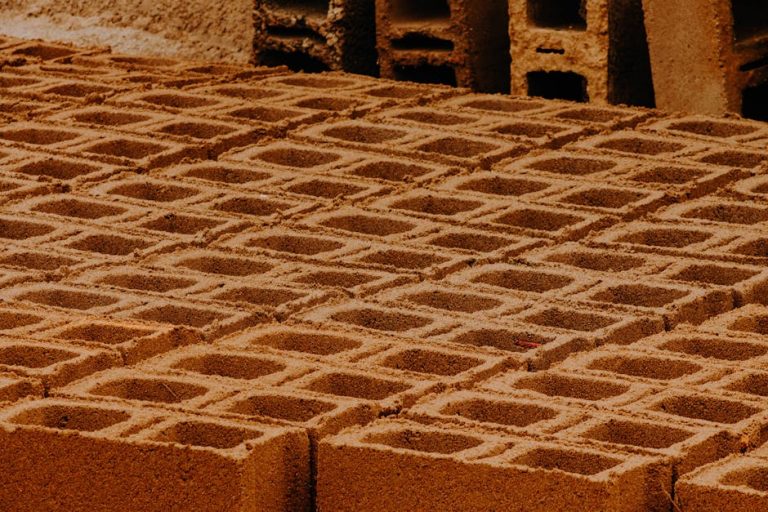
Concrete block is the default structural material. Unlike wood-framed homes common in the Midwest or Northeast, Broward residential construction is overwhelmingly concrete block. This affects everything from addition tie-ins to demolition costs.
Insurance implications are real. A properly permitted and inspected renovation or addition can improve your wind mitigation rating, which directly affects your homeowner’s insurance premium. Conversely, unpermitted work can make your property uninsurable. This matters more in South Florida than almost anywhere else.
Takeaway: Every design choice in Broward has a code and insurance consequence. Your contractor should explain both before you commit to a direction.
What Homeowners and Business Owners Often Miss
After years of building across Broward County, these are the gaps we see most often:
- Underestimating permit timelines. Owners plan their move-in date around construction time alone. Permitting can add weeks or months before a single wall comes down.
- Skipping the panel upgrade conversation. Many older homes in Pompano Beach and Fort Lauderdale have 100-amp or 150-amp panels. Adding square footage, upgrading HVAC, or adding a kitchen usually requires a panel upgrade — and that adds cost and time.
- Assuming commercial means faster. Commercial build-outs in Broward require separate zoning reviews, fire marshal approvals, and sometimes environmental assessments. These run in parallel but can each create delays independently.
- Not verifying the contractor’s license type. Florida distinguishes between certified and registered contractors, and between residential and commercial licenses. Verify your contractor’s license through the DBPR portal before signing anything.
How to Choose the Right General Contractor in Broward County FL
Ask these questions before you hire:
- Are you licensed for both residential and commercial work in Florida?
- Do you pull permits directly, or do you subcontract that process?
- Can you walk me through your inspection schedule for this type of project?
- How do you handle scope changes and cost adjustments?
- Do you carry both general liability and workers’ compensation insurance?
A contractor who answers all five clearly — without hesitation or deflection — is worth continuing the conversation with. One who can’t probably isn’t the right fit for a Broward County project.
Ready to Scope Your Broward County Project?
If you’re trying to figure out whether your home renovation, commercial build-out, or new addition is ready to move forward, the next step is a real conversation — not a form submission that disappears. Oak Park Construction works across Broward County, from Pompano Beach to Weston, handling residential and commercial projects with the same licensed team from scoping through final inspection.
Send us your plans, your questions, or just the address — and we’ll tell you exactly what’s involved before anything gets signed.