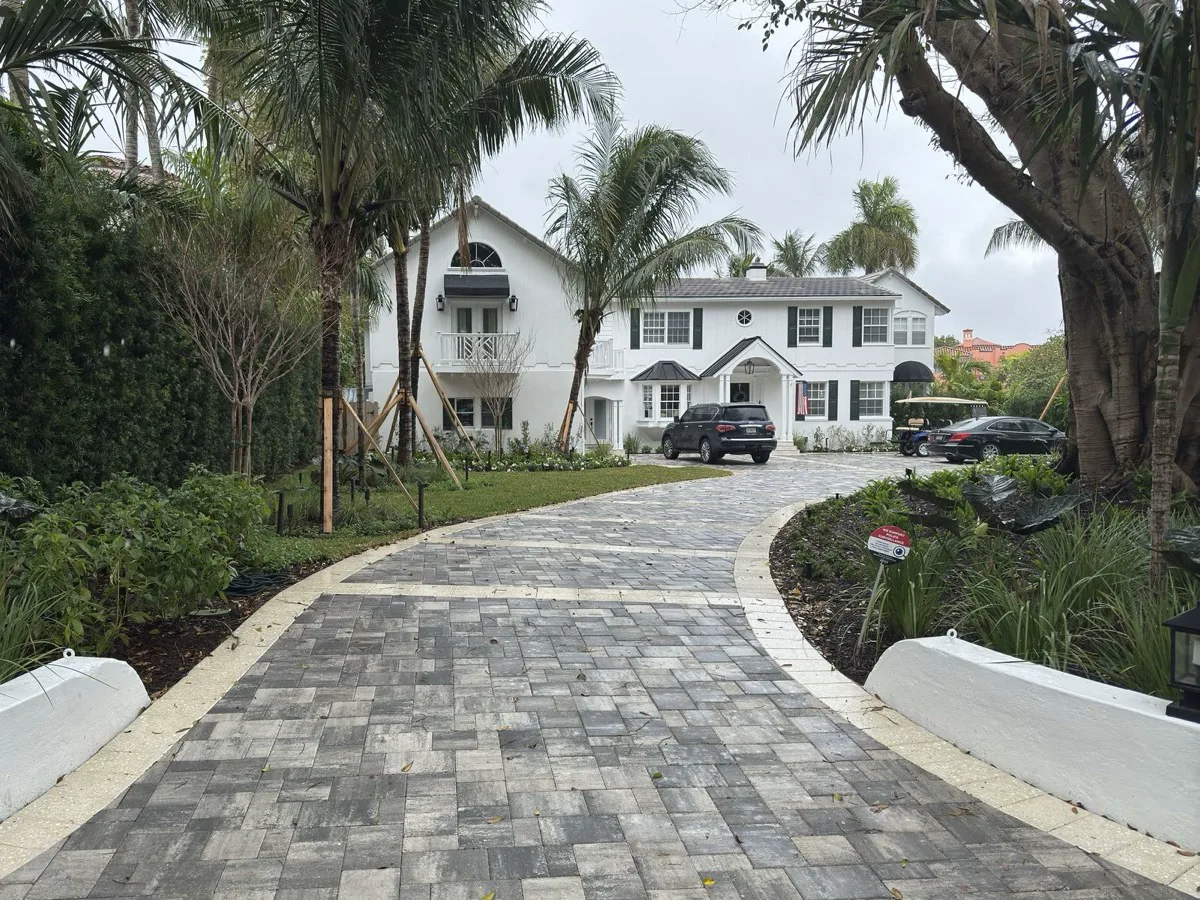
Hiring a contractor here is not the same as hiring one anywhere else. Broward sits inside a High Velocity Hurricane Zone rules, permit review depends on whether the property is in a city or the unincorporated county district, and flood information can affect a project before design starts.
Most homeowners know they should ask questions. Fewer know which ones matter here. These twelve do.
License, insurance, and whether they can legally do the work
1. Does your Florida license cover this work?
Ask for the license number, type and business name, then check the current record yourself through Florida DBPR's license search. Make sure the license class fits the proposed work and the proposal names the business you are hiring. Oak Park Construction is listed under Matthew McFolling's active Certified Building Contractor license, CBC1263425; DBPR's record shows the Oak Park Construction DBA. Check it again before signing because status can change.
If a bidder will not give you a license number or the record does not match, pause the hiring decision and resolve that discrepancy before paying a deposit.
2. Do you carry general liability insurance and workers' compensation?
Ask for a certificate of insurance, not a verbal yes. Check that the policy is current and that the coverage is sized for your project.
Then ask the follow-up most people miss: do your subcontractors carry their own? Most contractors use subs. Ask your insurer or adviser what coverage and documentation are appropriate for your project; do not infer coverage from a verbal answer.
3. Will you pull all the required permits yourself?
Most Broward cities administer their own building permits; the county Building Code Division serves the Broward Municipal Services District. Confirm the permitting authority for your address and ask how the contractor will manage the application, revisions, and inspections.
Ask the building department which permits the exact scope requires and who will apply for them. If a bidder proposes owner-pulled permits, ask the department what responsibilities that creates before accepting the arrangement. Keep permit and final-inspection records with your house documents.
Scope, timeline and money
4. What exactly is in this contract, and what isn't?
This is where homeowners get hurt most often. A low bid means nothing if the scope is vague.
Have them walk you through every line. Is demolition included? Debris removal? Permit fees? Inspections? Final cleanup? Then look hard at allowances — the placeholder amounts for tile, fixtures and cabinetry. Allowances are where a reasonable-looking contract quietly becomes an expensive one. Ask what the allowance actually buys, and ask to see something at that price.
5. What is a realistic timeline, and what could move it?
Weather, material lead times and permit review can move exterior work. Ask which dates in the proposed schedule depend on approvals, deliveries or inspections.
A good contractor gives you a range and names the risks. Ask what has actually delayed their recent projects. That answer tells you more about their experience than anything on their website.
6. How do you handle change orders?
Something unexpected turns up on nearly every project that touches an existing building. What matters is what happens next.
Ask directly: will I get a written change order, with a price and a schedule impact, before any extra work starts? If the answer is anything other than yes, keep looking.
7. What is the payment schedule?
Payments should track progress — deposit, then milestones like foundation complete, framing inspected, rough-ins done, final walkthrough. That structure protects both sides.
A reasonable deposit is normal. A large lump sum before anyone mobilizes is not.
Structure, code, and the things specific to South Florida
8. How does the Florida Building Code affect this specific project?
Broward is in the Florida Building Code's High Velocity Hurricane Zone. The project designer and local building department determine the applicable wind requirements, opening protection and structural connections for the specific work. Ask how those requirements appear in the drawings and bid.
Ask them to explain, in plain language, how that shapes your project. Ask for a project-specific explanation that you can compare with the plans and permit requirements.
9. Is this property in a flood zone, and what does that change?
Flood information can affect the design and approvals for certain work. Search the address first, then ask the designer and building department whether elevation information or other flood-related requirements apply to your proposal.
Ask whether you need a survey or an elevation certificate before design starts — not after. Broward publishes flood information by property, and FEMA's Flood Map Service Center shows the mapped zone.
10. Who is actually on site every day?
Ask who runs your job day to day, how often they are there, and who you call when something is wrong. "The owner will be involved" is not an answer. A name is.
11. Can I see work you finished, and talk to those owners?
Ask for completed work of a similar type and, where owners have agreed to be contacted, ask how the contractor handled changes and problems. Photos alone cannot establish the scope or client experience.
12. What does the end look like?
Ask how a project closes: the punch list, the final inspection, what warranty covers, for how long, and who to call in eighteen months. A contractor who has thought about the end has usually thought about the middle too.
What good answers sound like
You are not testing anyone's memory. You are listening for whether they have done this here, recently, and whether they will put things in writing.
Vagueness on scope, reluctance about permits, pressure for a large deposit, or hand-waving about hurricane code — any of those is worth more attention than the price on the last page.
If you are working through this on a specific project, we handle additions, full renovations, kitchens, bathrooms and new construction across Broward. You can see finished South Florida work in our portfolio.
Bring these twelve questions to whoever you are considering — including us.