The Real Work Behind a Home Flip Renovation in Broward County
You’ve seen the before-and-after photos. A gutted, neglected house turns into a polished, market-ready home in what looks like a few quick cuts. But if you’re an investor considering a home flip renovation in Broward County, you need to understand what actually happens between those two photos — because that’s where the budget, the timeline, and the profit margin live.
South Florida flips carry a different set of realities than what you’ll see in most renovation content online. Hurricane-rated construction, concrete block structures, aging electrical panels, flood zone requirements, and a permitting process that doesn’t move fast — all of it shapes the scope. Skip any of it, and you’re not flipping a house. You’re buying a problem.
This article walks through the full scope of work behind a successful before and after home renovation in South Florida, from the first walkthrough to the final inspection.
What a Licensed Contractor Sees During the First Walkthrough
Most investors look at cosmetics first — paint, flooring, kitchens and bathrooms. A licensed contractor looks at structure first. In Broward County, that usually means evaluating concrete block walls for cracking or settling, checking the roof structure and age, and assessing whether the electrical panel can support a modern layout.
Here’s what gets flagged in almost every flip candidate we walk through in areas like Pompano Beach and Fort Lauderdale:
- Roof condition — age, material, and whether it meets current Florida Building Code wind requirements
- Electrical panel capacity — many older homes still have 100-amp panels that need upgrading
- Plumbing material — cast iron drain lines common in pre-1980 homes are often corroded
- Window and door ratings — impact-rated openings are now expected for insurance and resale
- Foundation and slab condition — settling and moisture intrusion are common near the coast
This is where investors often underestimate costs. A house might look like it needs $60K in finishes, but the structural and mechanical reality can push a project well past that before a single tile gets laid.
Why the Structural Assessment Comes Before the Design
In South Florida, you don’t pick finishes first. You confirm structure first. If a roof needs full replacement to meet current Florida Building Code standards, that reshapes the entire budget. If the electrical panel needs a full upgrade, that affects wall openings, permits, and inspection sequencing. Design follows structure — always.
Permitting and Code Compliance in Broward County Flips
One of the biggest mistakes investors make is assuming renovation work can fly under the radar without permits. In Broward County, that’s a fast path to fines, failed inspections at resale, and title complications that kill deals.
Any home flip renovation in Broward County that involves structural changes, electrical work, plumbing rerouting, roofing, or window replacements requires permits. And each municipality — whether you’re in Hollywood, Deerfield Beach, or Dania Beach — has its own permitting office, fee schedule, and inspection timeline.
What Typically Requires a Permit
- Roof replacement
- Electrical panel upgrades or rewiring
- Plumbing rough-in changes
- Wall removal (load-bearing assessment required)
- Window and door replacements with impact-rated products
- Any addition of square footage
Permit timelines in Broward can range from a couple of weeks for straightforward jobs to several months for larger-scope renovations. Factor this into your hold time and carrying costs. Investors who plan around a 60-day flip without accounting for permitting delays often blow their margin before drywall goes up.

The Scope Behind a Full Before and After Home Renovation South Florida
A true full renovation — the kind that produces a dramatic before and after home renovation in South Florida — typically includes multiple phases that overlap and depend on each other. Here’s a realistic breakdown of what goes into one:
Phase 1: Demolition and Discovery
Demo reveals what photos don’t show. Mold behind shower walls. Termite damage in framing. Undersized ductwork. In humid South Florida conditions, moisture-related damage is almost a given in neglected properties. Budget a contingency — we recommend at least 10-15% of total project cost — for what demo uncovers.
Phase 2: Structural and Mechanical Rough-In
This phase covers the bones: roof repairs or replacement, electrical rewiring, plumbing relocation, HVAC upgrades, and any structural reinforcement. In coastal areas of Broward, this phase also addresses hurricane protection — impact windows, reinforced garage doors, and roof-to-wall connections.
This is typically the most expensive phase and the least visible in the final product. It’s also where cutting corners creates the most risk.
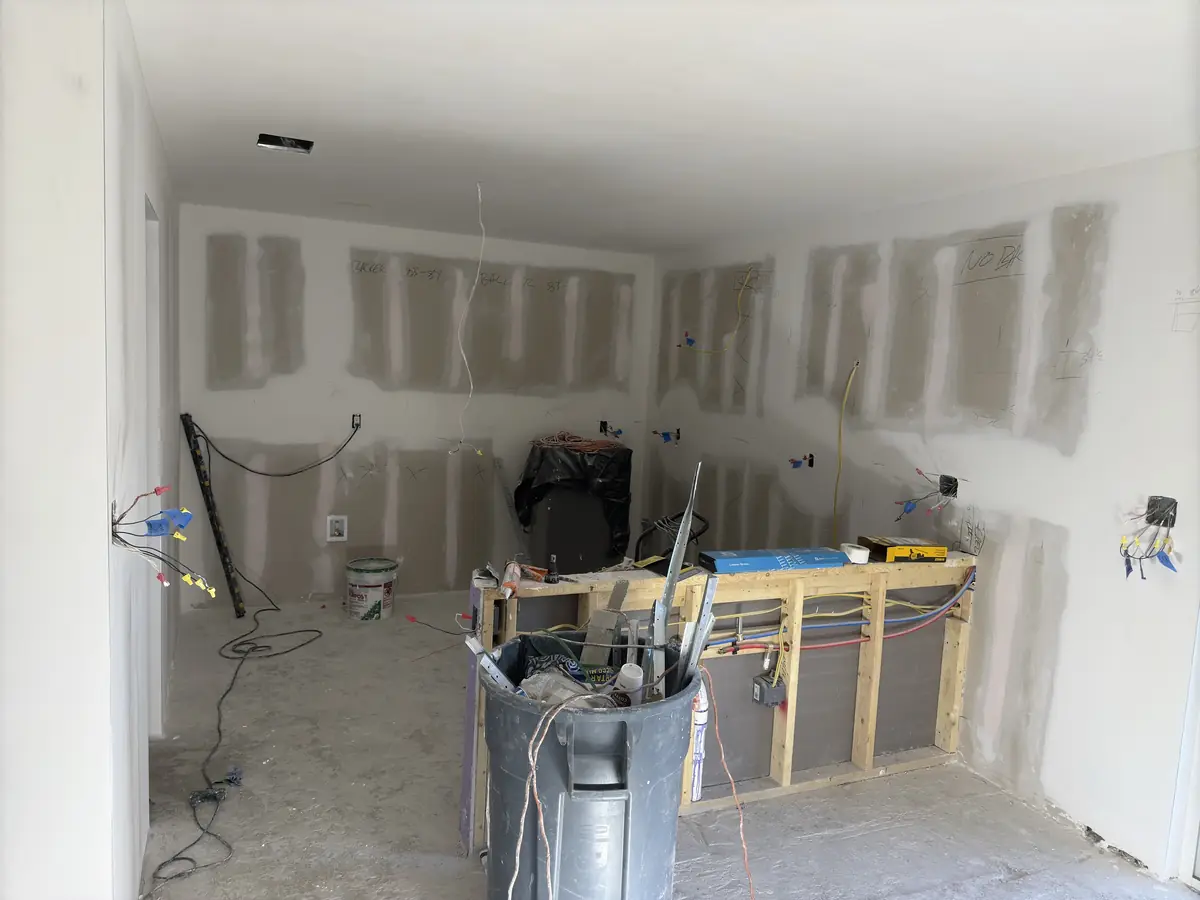
Phase 3: Insulation, Drywall, and Interior Build-Out
Once rough-ins pass inspection, insulation goes in, drywall gets hung, and the interior starts taking shape. In South Florida, proper insulation matters for energy efficiency and for preventing condensation issues that lead to mold. The U.S. Department of Energy recommends specific R-values by climate zone — Broward County falls in a hot-humid zone with its own requirements.
Phase 4: Finishes and Detail Work
Flooring, cabinetry, countertops, tile, fixtures, paint. This is the phase that shows up in the photos. But here’s the thing — finishes only look right and last when the first three phases were done correctly. A beautiful kitchen on top of bad plumbing and substandard electrical is a liability, not a selling point.
What Investors Get Wrong About Home Flip Renovation Costs
Cost overruns on flips usually don’t come from picking expensive tile. They come from scope creep in areas the investor didn’t plan for.
In Broward County, these are the most common cost surprises:
- Roof replacement: Often necessary to meet current code and secure favorable insurance rates for the buyer
- Panel upgrade: Going from 100-amp to 200-amp service can cost several thousand dollars and is almost always required in full renovations
- Impact windows: Not optional if you want top-market resale value — and insurance carriers increasingly require them
- Flood zone compliance: Properties in FEMA flood zones may require elevation certificates or specific construction methods
A realistic home flip renovation in Broward County for a 3-bedroom, 2-bath block home can range widely — from the low six figures for a moderate renovation to well over $200K for a full gut with structural and mechanical overhaul. The total shifts fast when you add a bathroom, open a floor plan, or discover a roof that needs full replacement.
What to Ask a Contractor Before Starting a Flip
Not every contractor understands investor timelines, hold costs, or the balance between renovation quality and resale margin. Before hiring anyone for a flip, verify these things:
- Are they licensed and insured as a General Contractor in the state of Florida?
- Do they pull permits under their own license — or ask you to pull them?
- Can they provide a detailed scope of work, not just a lump-sum number?
- Do they have experience with full-scope renovations, not just cosmetic updates?
- Will they handle all trades — electrical, plumbing, roofing — under one contract?
This is one of the first things to confirm before signing a contract. A contractor who only does finishes can’t manage the structural and code-compliance work that a real flip demands.
The Transformation Is the Result — Not the Starting Point
The before and after content is satisfying because the difference is dramatic. But for investors, the value isn’t in the photo. It’s in the planning, permitting, and professional execution that made the photo possible — and that protects the investment when it hits the market.
If you’re planning a home flip renovation in Broward County and want to understand what the full scope actually looks like for your specific property, the next step is to send us the address and any photos you have. Oak Park Construction will walk the property with you and give you a realistic scope and budget range before you commit to anything.
Request a free flip-scope walkthrough → Contact Oak Park Construction