

Understanding Home Flip Renovations in South Florida
Investors often see stunning before-and-after transformations online, but the reality of a home flip renovation in South Florida involves much more than meets the eye. Misunderstanding the scope can lead to costly mistakes, especially in areas like Broward County, Pompano Beach, and Fort Lauderdale. This article will clarify what a full renovation entails, realistic timelines, and why cutting corners can be detrimental.
Defining a Full Home Renovation
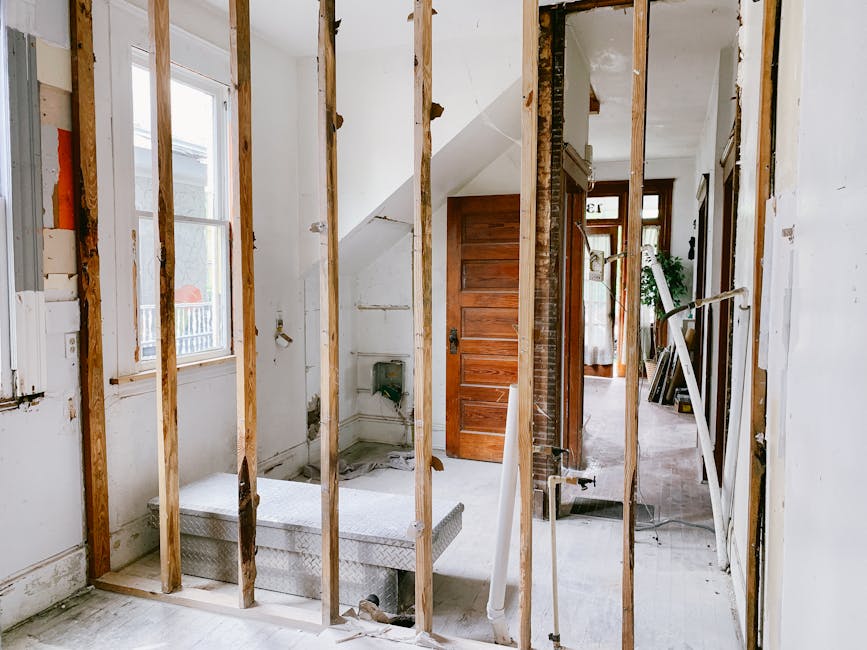
A full home renovation involves updating or replacing major components of a property, including structural, electrical, and plumbing systems. In South Florida, this often means adhering to specific building codes and regulations that account for hurricane resistance and flood zones. Understanding these requirements is crucial for a successful project.
Main Drivers of Renovation Costs
Several factors influence the cost of a home flip renovation in South Florida. These include the size and condition of the property, the materials chosen, and the complexity of the work required. In Broward County, many projects fall within a broad range, depending on the scope and finishes. Adding elements like a new bathroom or second story can significantly increase costs.
Structural and Material Considerations
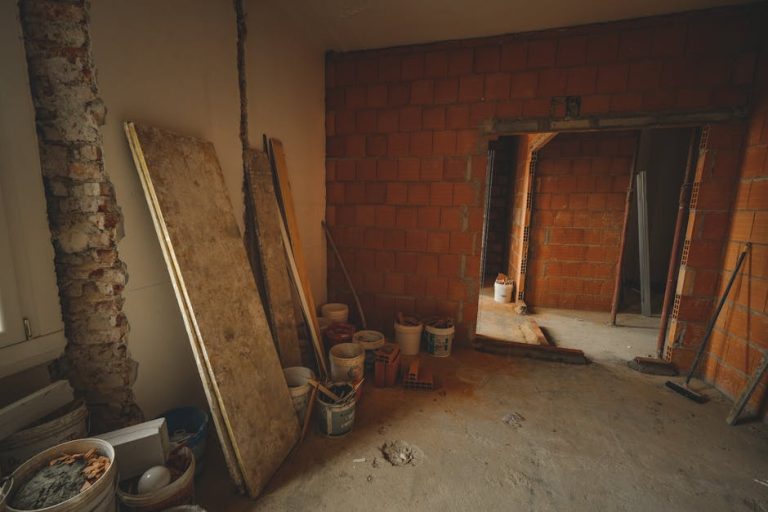
South Florida’s climate demands specific materials and construction techniques. For example, concrete block construction is often preferred for its durability against hurricanes. Additionally, the choice of finishes can impact both cost and timeline.
South Florida-Specific Realities
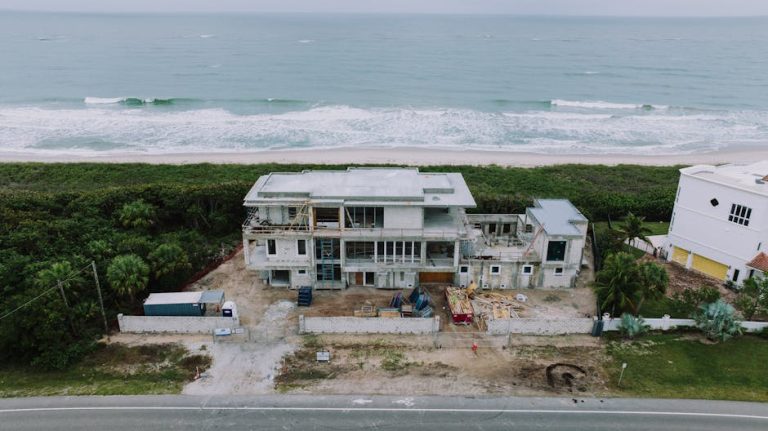
Renovating in South Florida comes with unique challenges. Coastal exposure requires materials that withstand salt and humidity, while flood zone regulations can affect design and insurance costs. Permitting processes in cities like Hollywood and Dania Beach can also impact timelines.
Permitting and Code Compliance
Before starting a renovation, it’s essential to understand local permitting requirements. In Broward County, permits are necessary for most structural changes, and inspections ensure compliance with safety standards. Visit Florida Building Code for more details.
Guidance for Investors
When considering a home flip renovation in South Florida, it’s important to evaluate the property’s potential and the renovation’s feasibility. Ask contractors about their experience with local codes and timelines. Avoid common mistakes like underestimating costs or skipping inspections.
What to Ask Your Contractor
Before hiring, confirm the contractor’s familiarity with South Florida’s specific challenges. Ask for a detailed scope of work and timeline. Verify their licensing and insurance to ensure compliance with local regulations.
Common Oversights in Home Flips
Investors often overlook the importance of thorough inspections and realistic budgeting. In South Florida, failing to account for climate-specific materials or underestimating permitting timelines can lead to delays and increased costs.
Conclusion: Taking the Next Step
If you’re trying to figure out a home flip renovation in South Florida, the next step is to consult with a knowledgeable contractor who understands the local market. Contact Oak Park Construction to discuss your project and get a realistic budget range.