
Why LED Cove Lighting During a Renovation Changes Everything
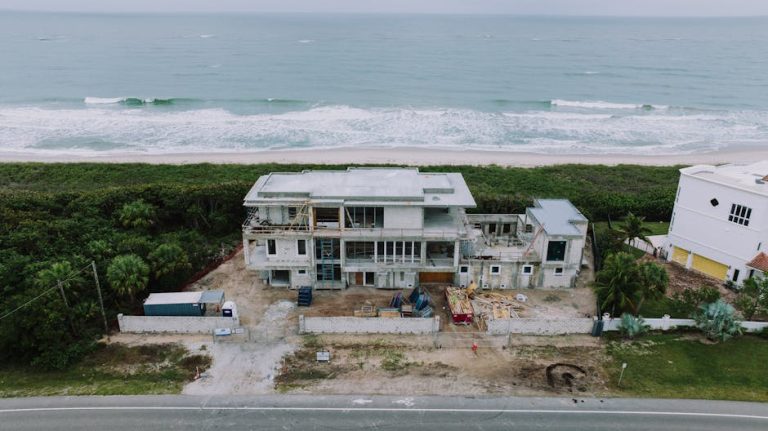
If you’re already renovating your home in Broward County, there’s a narrow window to add one detail that completely shifts how every room feels. That detail is LED cove lighting — recessed strips tucked into ceiling ledges, soffits, or tray ceilings that cast a warm, indirect glow across surfaces.
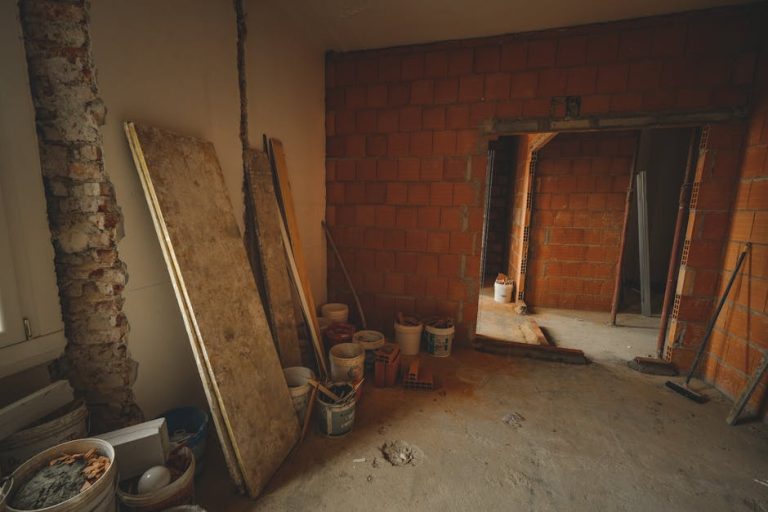
Here’s the thing: LED cove lighting renovation in South Florida is dramatically easier and cheaper to do during a renovation than after one. Once your drywall is closed up and your ceilings are painted, adding cove lighting means tearing things back open. But if you’re already framing, running electrical, or building out new ceilings, the cost to integrate this detail drops significantly.
This article breaks down exactly what cove LED lighting involves, what it costs when done during a renovation, and why it’s one of the best value-per-dollar upgrades a South Florida homeowner can make.
What Is LED Cove Lighting, Exactly?
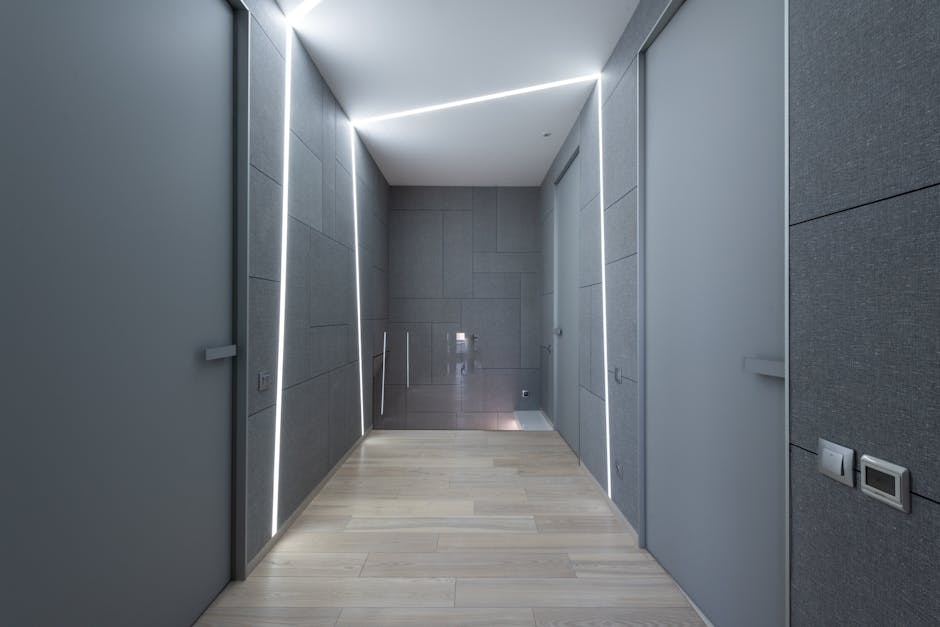
Cove lighting refers to light fixtures — typically LED strips — installed in a recessed ledge or shelf near the ceiling. The light faces upward or outward, bouncing off the ceiling and walls rather than shining directly into the room.
The result is soft, diffused, ambient lighting that feels expensive. You see it in high-end hotels, luxury condos in Fort Lauderdale, and modern restaurants. But the materials themselves are surprisingly affordable.
How It Differs from Standard Recessed Lighting
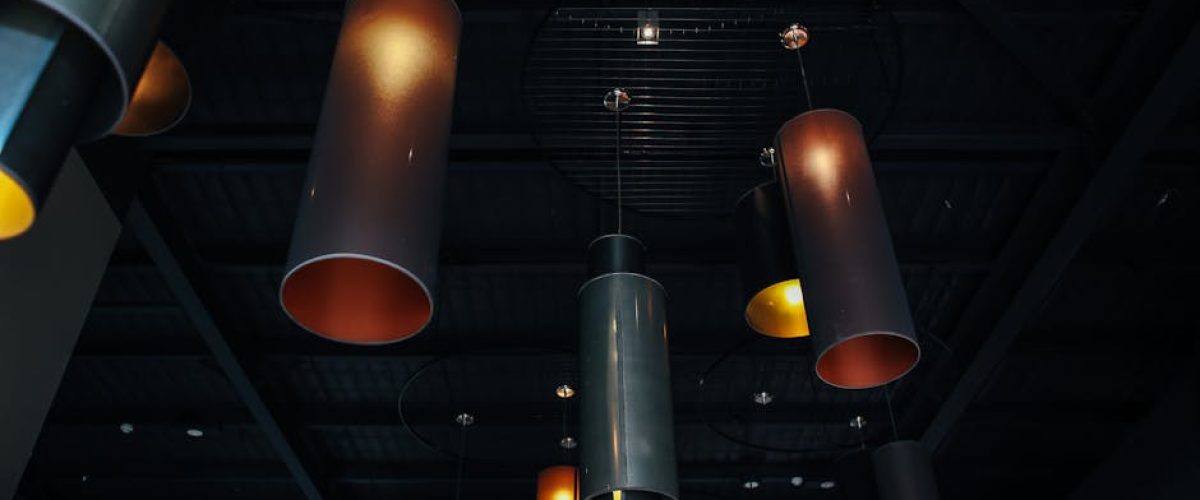
Recessed can lights (the round downlights most homes have) push light straight down. They’re functional but flat. Cove lighting creates depth and dimension. In rooms with 9- or 10-foot ceilings — common in newer South Florida construction — the effect is especially dramatic.
Many homeowners combine both: recessed for task lighting, cove LED for mood and ambiance. That layered approach is what gives a room that “finished” feel without a chandelier or expensive fixture.
What LED Cove Lighting Costs During a South Florida Renovation
This is where the timing matters most. During an active renovation, LED cove lighting integration typically adds far less than homeowners expect.
- LED strip materials: Quality tunable-white LED strips with proper drivers run roughly $3–$8 per linear foot, depending on brightness and color temperature options.
- Framing the cove: If your ceiling is already being built or modified, adding a cove ledge is a modest carpentry addition — often a few hundred dollars in labor.
- Electrical: Running a dedicated low-voltage circuit during rough-in is straightforward. After drywall? That’s a different conversation.
In Broward County, a full-room cove lighting installation done during renovation often falls in the $800–$2,500 range per room, depending on room size, ceiling complexity, and whether you want dimmable or color-tunable strips. Compare that to a post-renovation retrofit, which can cost two to three times more because of the tearback involved.
This is one of those upgrades where the perceived value far exceeds the cost — especially in a market like South Florida, where modern finishes directly influence resale appeal.
Why This Upgrade Matters More in South Florida
South Florida homes have specific characteristics that make LED cove lighting renovation in South Florida particularly effective.
Concrete Block Construction and Ceiling Heights
Most homes in Pompano Beach, Hollywood, and Deerfield Beach are concrete block construction. Interior walls and ceilings offer clean, smooth surfaces that reflect indirect light beautifully. Paired with the 9- and 10-foot ceilings common in post-2000 construction, cove lighting creates a sense of volume that standard lighting misses entirely.
Heat and Energy Efficiency
LED strips run cool and consume very little energy. In a climate where air conditioning already accounts for a large share of your electric bill, that matters. According to the U.S. Department of Energy, LED lighting uses at least 75% less energy than incandescent lighting. In South Florida, where lights often run well into the evening year-round, that difference compounds.
Humidity and Material Selection
Not all LED strips are rated for South Florida’s humidity levels. Even interior spaces in coastal areas like Pompano Beach and Fort Lauderdale see higher ambient moisture than homes in drier climates. A good contractor will spec IP-rated strips and sealed drivers for any installation near kitchens, bathrooms, or lanai-adjacent areas. Cheap strips from big-box stores often fail within a year in these conditions.
This is a detail that separates a professional installation from a DIY attempt — and it’s one of the first things to confirm before signing a contract.
When to Plan LED Cove Lighting Into Your Renovation
The ideal time to integrate cove lighting is during the design and framing phase — before drywall goes up. Here’s why that sequence matters:
- Framing stage: The cove ledge or tray ceiling detail gets built into the ceiling structure. This is simple carpentry when the ceiling is open.
- Rough electrical: Low-voltage wiring and driver placement happen alongside your other electrical work. No extra wall openings needed.
- Drywall and finish: The cove gets finished smooth, and the LED strip installs cleanly into the recess before final paint.
If you wait until after your renovation is complete, you’re looking at cutting into finished ceilings, patching drywall, repainting — and paying your electrician for a separate trip. That’s why this decision needs to happen early in the planning process, not as an afterthought.
Where It Works Best
Not every room needs cove lighting. The biggest impact comes in:
- Living rooms and great rooms — especially with open floor plans and higher ceilings
- Primary bedrooms — warm cove lighting behind a headboard wall or along a tray ceiling
- Kitchens — above upper cabinets or along a soffit, adding depth without competing with task lights
- Bathrooms — behind a floating vanity mirror or along a ceiling perimeter for a spa feel
In each case, the goal is the same: soft ambient light that makes the room feel finished, modern, and intentional.
What Homeowners Usually Miss
The most common mistake is choosing the wrong color temperature. Warm white (2700K–3000K) suits most South Florida interiors. Cool white (4000K+) can feel clinical in a home setting. Tunable-white strips let you adjust, but they cost more and require compatible dimmers.
Another common oversight: not planning the driver location. LED strips need a driver (essentially a transformer), and that driver needs to live somewhere accessible for future maintenance — not buried behind drywall. A contractor who’s done this work before will plan a small access panel or locate the driver in a closet or attic space.
Finally, homeowners sometimes assume any electrician can handle this. LED cove lighting involves low-voltage wiring, proper driver sizing, and coordination with the framing and drywall crews. It’s not complicated, but it does need to be planned. A general contractor managing the full renovation is the right person to coordinate this — not a separate lighting vendor showing up after the fact.
Per Florida Building Code requirements, any new electrical work during a renovation requires permitting and inspection. Your modern lighting upgrade contractor in Broward should be pulling permits for the electrical scope anyway — cove lighting simply folds into that existing permit.
A Small Upgrade With Outsized Impact
LED cove lighting renovation in South Florida is one of the few upgrades that costs relatively little during an active renovation but changes how an entire home feels. It’s not structural. It’s not complex. But it’s the kind of detail that makes a home look like it was designed, not just built.
If you’re planning a renovation in Pompano Beach, Fort Lauderdale, Hollywood, or anywhere in Broward County, and you want to know whether cove lighting makes sense for your project, the next step is simple. Send us your renovation plans or schedule a walkthrough, and we’ll show you exactly where LED cove lighting fits — and what it would cost to integrate before your walls close up.
Oak Park Construction — Broward County Licensed General Contractor. Request a renovation scope review →