Manufactured Homes vs Traditional Construction Florida: What the Price Tag Doesn’t Tell You
If you’re exploring affordable housing options South Florida has to offer, the debate around manufactured homes vs traditional construction Florida buyers face is one worth understanding deeply. Manufactured homes can look appealing on paper — lower upfront costs, faster delivery timelines, and turnkey simplicity. But in a state where Category 4 hurricanes are a real possibility, where flood zones reshape insurance maps every few years, and where property values in Broward County have surged, the sticker price is only the beginning of the conversation.
Whether you’re a first-time homeowner in Pompano Beach, an investor eyeing rental properties in Fort Lauderdale, or a family in Weston weighing your next move, this breakdown will help you understand the structural, financial, and long-term differences between manufactured and site-built homes in South Florida.
Understanding the Structural Differences in Manufactured Homes vs Traditional Construction Florida Requires
How Manufactured Homes Are Built
Manufactured homes — sometimes still called mobile homes, though they haven’t been “mobile” by regulation since 1976 — are built in a factory and transported to a site on a steel chassis. They’re constructed to the federal HUD Code, which sets standards for design, durability, and safety nationwide. That’s an important distinction: HUD Code is a federal standard, not a Florida-specific one.
This means a manufactured home built for installation in Hollywood, Florida is held to the same federal baseline as one placed in rural Nebraska. It doesn’t inherently account for South Florida’s unique wind load requirements, salt air corrosion, or flood-prone terrain in the same way local building codes do.
How Traditional Site-Built Homes Are Constructed
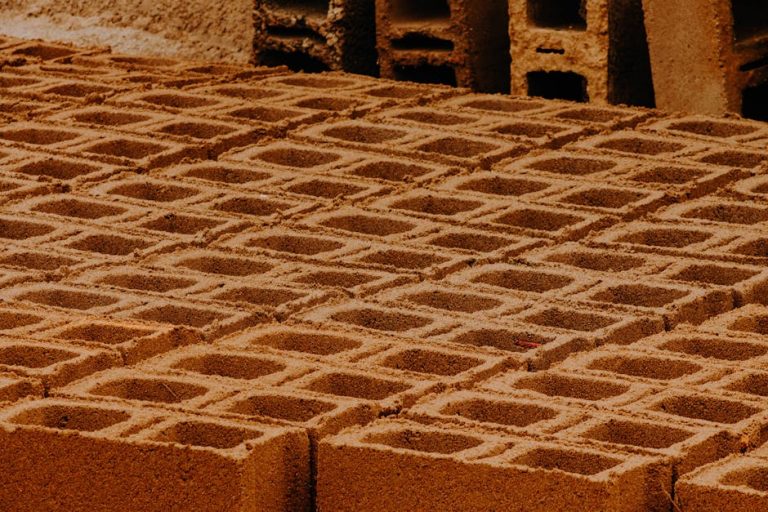
Traditional construction — often called stick-built or site-built — is constructed on-site from the ground up. In South Florida, that typically means a concrete block structure (CBS) with a poured concrete slab, engineered roof trusses rated for hurricane winds, and impact-resistant features. These homes must meet the Florida Building Code, one of the strictest in the nation, which was significantly strengthened after Hurricane Andrew in 1992.
Key structural advantages of site-built construction in South Florida include:
- Concrete block walls that resist wind pressure and flying debris far better than the wood-frame and steel-chassis construction of manufactured homes
- Engineered roof-to-wall connections (hurricane straps and clips) required by Florida code
- Impact-rated windows and doors designed for South Florida wind zones
- Permanent concrete foundations that meet local flood elevation requirements
- Compliance with Broward County’s local amendments, which often exceed state minimums
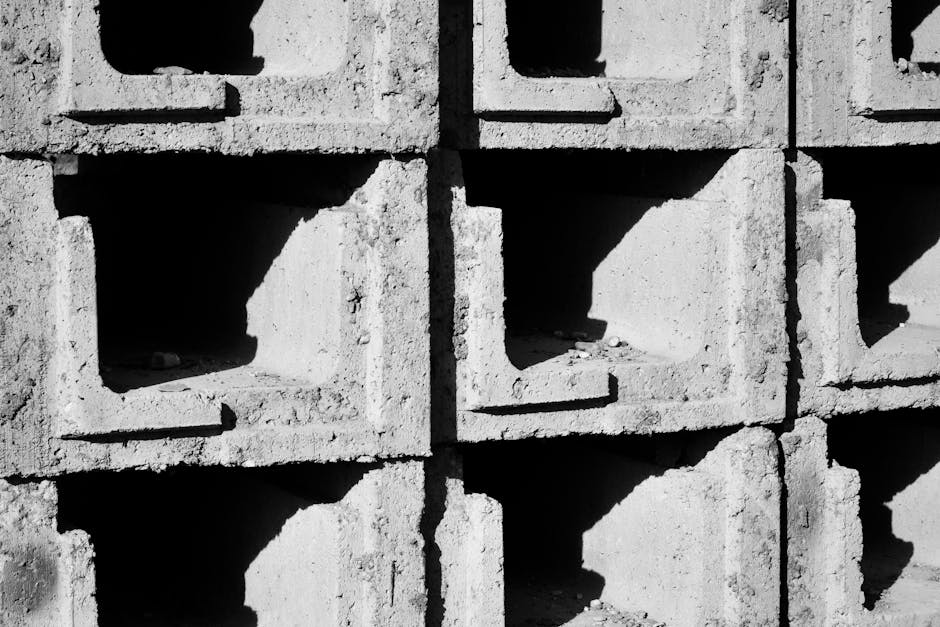
When you’re comparing manufactured homes vs traditional construction Florida conditions demand, the structural gap matters — especially when a storm is bearing down on Dania Beach or Miramar.
Insurance, Financing, and the Hidden Costs Most Buyers Miss
Insurance Premiums Can Erase the Savings
One of the most significant — and frequently overlooked — factors in the manufactured homes vs traditional construction Florida comparison is insurance. Florida’s property insurance market is already among the most expensive in the country. Manufactured homes are typically classified as higher risk by insurers due to their lighter construction and vulnerability to wind damage.
Homeowners in Broward County with manufactured homes often pay substantially higher premiums than owners of CBS site-built homes, sometimes double or more for equivalent coverage. If you’re in a flood zone — and much of Pompano Beach, Dania Beach, and eastern Fort Lauderdale qualifies — flood insurance adds another layer where manufactured homes are penalized for their foundation type and elevation limitations.
Financing Is More Restrictive for Manufactured Homes
Traditional site-built homes qualify for conventional 30-year mortgages, FHA loans, and VA loans with standard terms. Manufactured homes face more restrictions. If the home is classified as personal property rather than real property — common when it sits on leased land — buyers may only qualify for chattel loans, which carry higher interest rates and shorter repayment terms (often 15-20 years instead of 30).
Even when a manufactured home is permanently affixed to owned land and titled as real property, many lenders apply stricter appraisal standards, and some won’t lend on them at all. For investors exploring affordable housing options South Florida markets present, this financing friction directly impacts return on investment.
Resale Value and Appreciation
Here’s where the long-term math gets decisive. Traditional site-built homes in South Florida have historically appreciated with the land they sit on. A well-maintained CBS home in Fort Lauderdale or Weston builds equity year over year. Manufactured homes, by contrast, tend to depreciate — much like a vehicle — unless they’re on owned land in a desirable area. Even then, appreciation lags significantly behind comparable site-built properties.
For investors, this distinction is critical. A manufactured home may generate rental income, but it’s unlikely to deliver the same equity growth as a traditionally constructed property or a well-planned addition to an existing home.
When Traditional Construction or Home Additions Make More Financial Sense
Building New on Your Own Lot
If you own land in Broward County, building a traditional CBS home gives you a structure engineered for South Florida’s climate, full compliance with the Florida Building Code, conventional financing options, better insurance rates, and long-term appreciation. Yes, the upfront cost per square foot is higher than a manufactured home. But when you factor in insurance savings, financing terms, appreciation, and storm resilience over a 15-30 year ownership window, site-built construction often costs less in real dollars.
Adding to an Existing Home Instead of Starting Over
Many homeowners don’t need an entirely new structure — they need more space. A room addition, a second story, or converting an underused area of an existing home can deliver the square footage you need at a fraction of the cost of buying a second property. Additions to existing CBS homes in South Florida integrate into the original structure’s foundation and framing, meet current code requirements, and preserve (or increase) the property’s appraised value.
For a family in Hollywood who’s outgrown their three-bedroom or an investor in Pompano Beach looking to increase rental yield on an existing property, a well-executed addition often makes far more financial sense than purchasing a manufactured home.
What About Affordability?
The affordability argument for manufactured homes is real — but it’s most compelling in rural markets with lower land costs, fewer hurricanes, and less aggressive insurance environments. In South Florida’s urban and suburban corridor, the math changes. Between wind exposure, insurance markets, flood risk, and property values, the affordable housing options South Florida residents should consider often lean toward smarter use of traditional construction rather than cheaper alternatives that carry hidden long-term costs.
Making a Smarter Decision for South Florida
The manufactured homes vs traditional construction Florida conversation isn’t about one being universally “better” — it’s about understanding which option actually serves your goals in this specific market. In Broward County, where hurricanes are a when-not-if reality, where insurance costs are climbing, and where property values reward permanent, code-compliant construction, traditional site-built homes and strategic additions to existing properties consistently deliver better long-term value.
Before making any decision, talk to people who understand South Florida construction from the ground up — the permitting, the wind loads, the insurance implications, and the code requirements that shape what you’re actually building.
If you’re weighing your options for new construction or an addition in Broward County, Oak Park Construction is happy to walk you through what makes sense for your property and your budget.