
Florida backyards get brutal sun and humidity—traditional wood decks fade and need constant sealing. Homeowners want a clean look that doesn’t become a yearly project. Composite decking solves the upkeep, but only if the structure, hardware, and flashing are done for our climate.
Layout and permit checks come first—footings, setbacks, and rail height to code. Frame with pressure-treated lumber, joists at 16 in. on center (12 in. if boards are diagonal). At the house, we flash the ledger and use Simpson Strong-Tie stainless or ZMAX hardware on hangers and ties. Decking goes down with Trex Hideaway hidden fasteners for consistent spacing; we picture-frame the border and ease cut edges. Plan a lighter color to reduce surface heat and pre-wire a GFCI circuit for step lights and outlets.
• Low maintenance—no annual stain cycle; cleans with soap and water
• Hidden fasteners and picture-frame border for a crisp, custom look
• Corrosion-resistant hardware stands up to salt air and storms
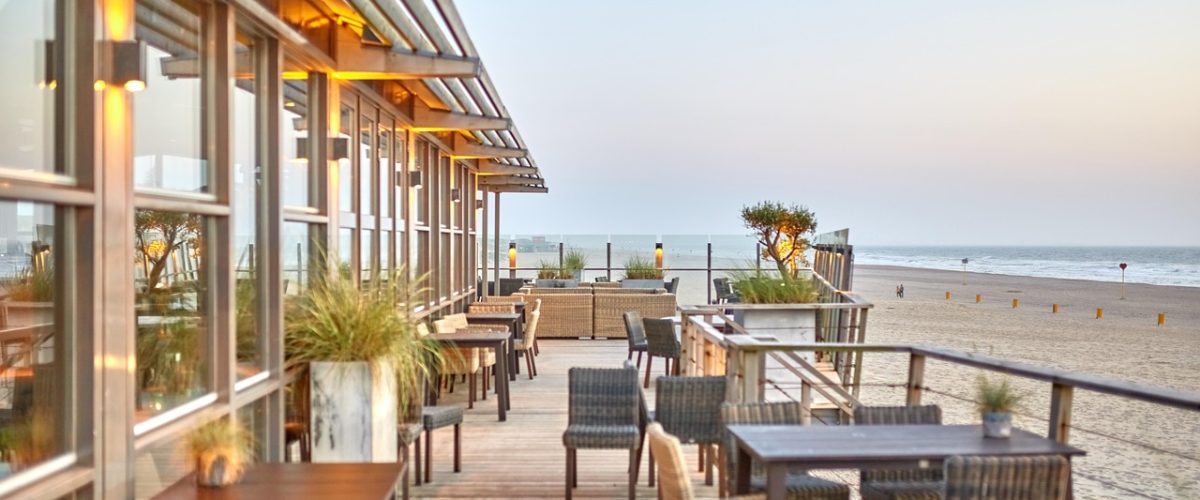
• Lighter colors and optional shade keep the surface cooler
• Planned power for grill or fridge reduces clutter and trip hazards
Choose a color that stays comfortable in sun, and add a modest shade structure over the main seating zone. Keep joists 16 in. on center (12 in. for diagonal) and use corrosion-resistant connectors in coastal zones. Before you buy furniture, map traffic flow from the door to the yard so nothing blocks the best path.
Ready to design a composite deck for South Florida living? Book a consult—Oak Park Construction will lay out your footprint, spec Trex boards with hidden fasteners, and build with corrosion-resistant hardware so it lasts.