
Why Concrete Construction for South Florida Businesses Starts With the Climate
If you’re planning a commercial building, retail space, or office build-out in Broward County, the material conversation starts and ends with one thing: what can handle this environment? Concrete construction for South Florida businesses isn’t just a preference — it’s often a practical requirement shaped by hurricane codes, flood exposure, coastal humidity, and insurance economics.
Choosing the wrong structural system here doesn’t just cost you money upfront. It costs you in insurance premiums, maintenance cycles, tenant confidence, and long-term durability. This article breaks down why concrete dominates commercial construction in this region, what it actually costs you (and saves you), and how to scope a project correctly from the start.
What “Concrete Construction” Actually Means for a Commercial Project
When contractors talk about concrete construction for a commercial building in South Florida, they’re usually referring to one or more of these systems:
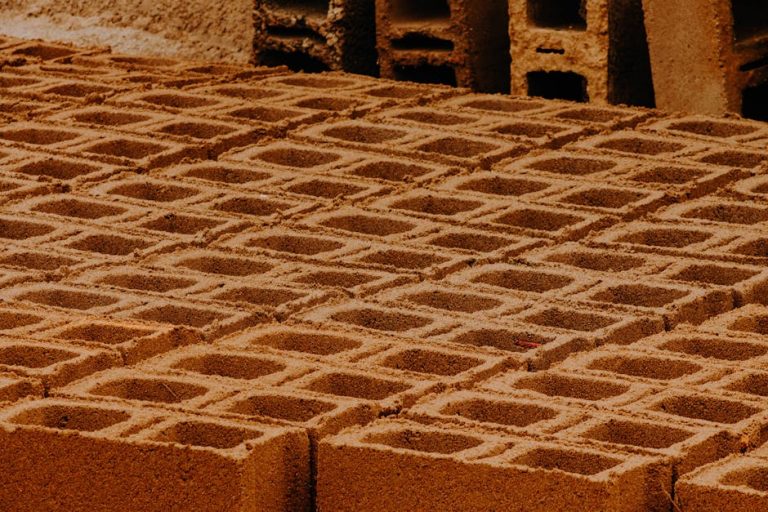
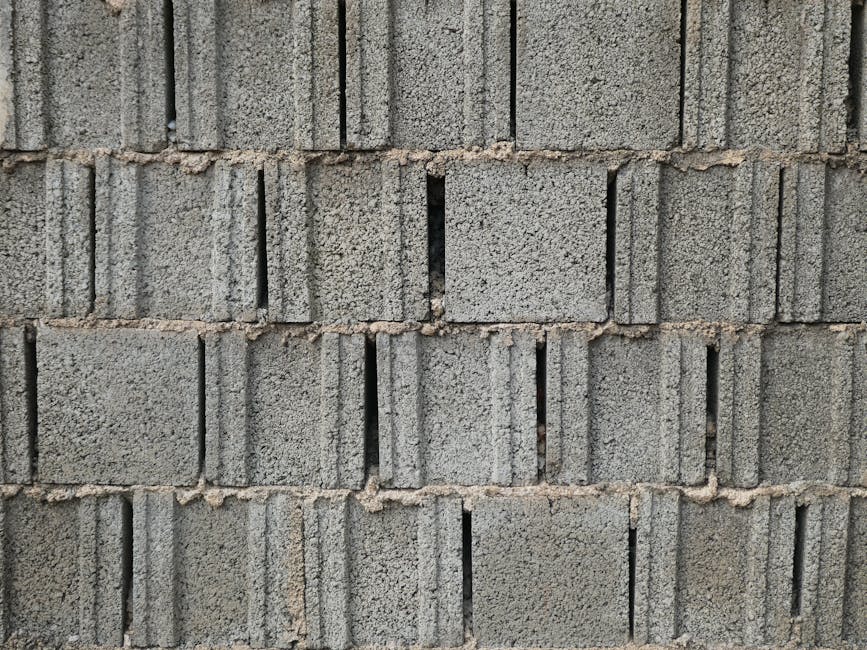
- Concrete masonry unit (CMU) block walls — the standard for most low- and mid-rise commercial buildings in Broward County
- Poured concrete slabs — both slab-on-grade foundations and elevated floor systems
- Reinforced concrete columns, beams, and tie beams — providing structural continuity during high-wind events
- Concrete tilt-wall construction — common for warehouses, industrial spaces, and large-footprint retail
Most commercial projects here use a combination of these elements. The specifics depend on your building’s use, lot conditions, and what the municipality requires. A restaurant build-out in Fort Lauderdale will have a different structural scope than a warehouse shell in Deerfield Beach — but both will rely heavily on concrete.
How Concrete Construction Benefits South Florida Businesses Long-Term
Hurricane and Wind Resistance
This is the most obvious advantage, and it’s not theoretical. The Florida Building Code requires commercial structures in Broward County to meet some of the strictest wind-load standards in the country. Reinforced concrete block and poured concrete systems meet those thresholds more directly than wood or light-gauge steel framing.
After a major storm, concrete buildings typically sustain less structural damage. That means faster reopening, fewer insurance claims, and less revenue lost to downtime. For business owners, that durability translates directly to money.
Insurance and Financing Advantages
Insurance carriers in South Florida price risk aggressively — and building material is a major factor. Concrete structures often qualify for lower wind-mitigation premiums. Over a 10- or 15-year period, the insurance savings alone can offset a significant portion of the higher upfront construction cost.
Additionally, lenders and investors view concrete commercial buildings as lower-risk assets. If you’re building to hold or lease, that perception matters when it’s time to refinance or sell.
Moisture, Mold, and Pest Resistance
South Florida humidity sits above 70% for most of the year. Wood-framed commercial spaces face ongoing risks from moisture intrusion, mold growth, and termite damage — all of which are expensive to remediate and disruptive to tenants.
Concrete doesn’t rot. It doesn’t attract subterranean termites. And when properly waterproofed, it resists moisture migration far better than wood alternatives. For businesses in Pompano Beach or Hollywood — especially near the coast — this isn’t a nice-to-have. It’s a baseline requirement for a building that performs over time.
Fire Rating and Code Compliance
Concrete inherently carries a higher fire-resistance rating than wood or steel framing. That simplifies fire-code compliance for many commercial occupancy types, particularly restaurants, medical offices, and multi-tenant retail. In some cases, it reduces the need for additional fire-rated assemblies — saving both cost and complexity.
What Drives Cost in Concrete Commercial Construction
Concrete construction does carry a higher per-square-foot cost than wood framing. But in Broward County, the gap is narrower than most business owners expect — and the long-term math usually favors concrete. Here’s what moves the budget:
- Building footprint and height: Larger or taller structures require more reinforcement, engineered connections, and inspection stages
- Foundation conditions: High water table areas — common across much of Broward — may require dewatering, deeper footings, or elevated slab systems
- Municipality: Permitting timelines and plan review costs vary between Fort Lauderdale, Pompano Beach, Miramar, and unincorporated Broward
- Finish level: Shell-only concrete construction costs significantly less than a fully finished build-out with MEP, finishes, and tenant improvements
- Flood zone requirements: Properties in FEMA-designated flood zones may need elevated finished floors, flood vents, or additional engineering — all of which add to the concrete scope
In Broward County, realistic costs for commercial concrete construction vary widely based on these factors. A simple shell might start in one range; a fully finished medical or restaurant space lands in a very different one. The point is: get a scope-specific estimate, not a national average.
Concrete Construction for South Florida Businesses: What Owners Often Miss
Permitting Takes Longer Than You Think
Commercial concrete projects in Broward County require structural engineering, sealed plans, and multiple inspection stages — foundation, reinforcement, tie-beam, slab, and more. Each inspection must pass before the next phase begins. Business owners who plan around optimistic timelines often face costly delays.
Before signing a contract, ask your contractor how they handle the permitting sequence and which municipality the project falls under. This is one of the first things to confirm before committing to a schedule.
Shell vs. Full Build-Out Scope
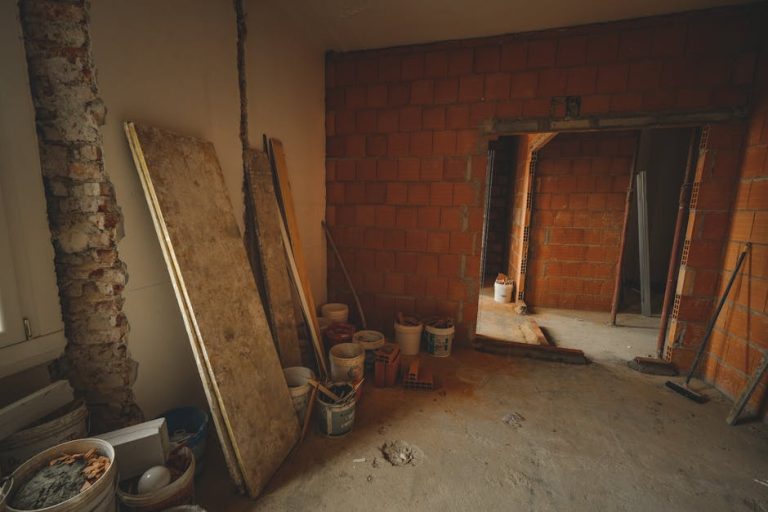
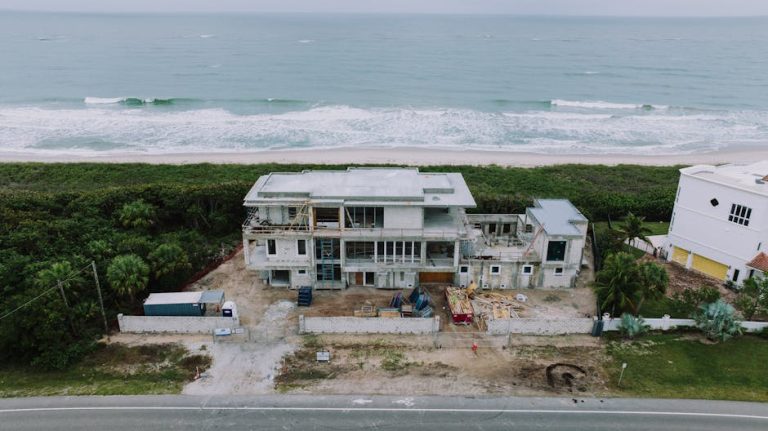
Many business owners confuse a concrete shell with a finished building. The shell includes the structural frame, roof, and exterior enclosure. It does not typically include electrical, plumbing, HVAC, interior walls, or finishes. If your contractor’s quote covers only the shell, make sure you understand — and budget for — the build-out phase separately.
This is where commercial construction costs jump unexpectedly. A $300,000 shell can easily become a $600,000 finished space once MEP systems, ADA compliance, fire suppression, and tenant finishes are added.
Not Every Contractor Handles Full Commercial Concrete Scope
Some contractors subcontract nearly everything. Others self-perform concrete work and manage the full scope in-house. The difference affects your timeline, communication, and cost control. Ask how much of the concrete scope the contractor handles directly — and who manages subcontractors if they’re involved.
When Concrete Construction Makes the Most Sense
Not every commercial project in South Florida requires full concrete construction. But most benefit from it. Here’s when it’s almost always the right call:
- You’re building in a high-velocity hurricane zone (most of coastal Broward qualifies)
- You’re in a flood zone and need to meet FEMA elevation or enclosure requirements
- You plan to own or lease the building for 10+ years
- You need favorable insurance premiums to make the project pencil out
- Your business type requires fire-rated construction (food service, medical, multi-tenant)
If two or more of those apply, concrete isn’t just a good choice — it’s the financially responsible one.
Next Step: Scope Your Commercial Concrete Project
If you’re planning a commercial build, renovation, or shell project in Broward County, the next step is getting a scope-specific conversation — not a generic quote. Oak Park Construction works with business owners across Pompano Beach, Fort Lauderdale, Hollywood, and surrounding areas to define the full structural and finish scope before pricing begins.
If you’re trying to figure out whether concrete construction is the right move for your South Florida business, send us your plans or project details for a free scope review. We’ll walk through what’s required, what’s optional, and what it realistically costs in this market.